

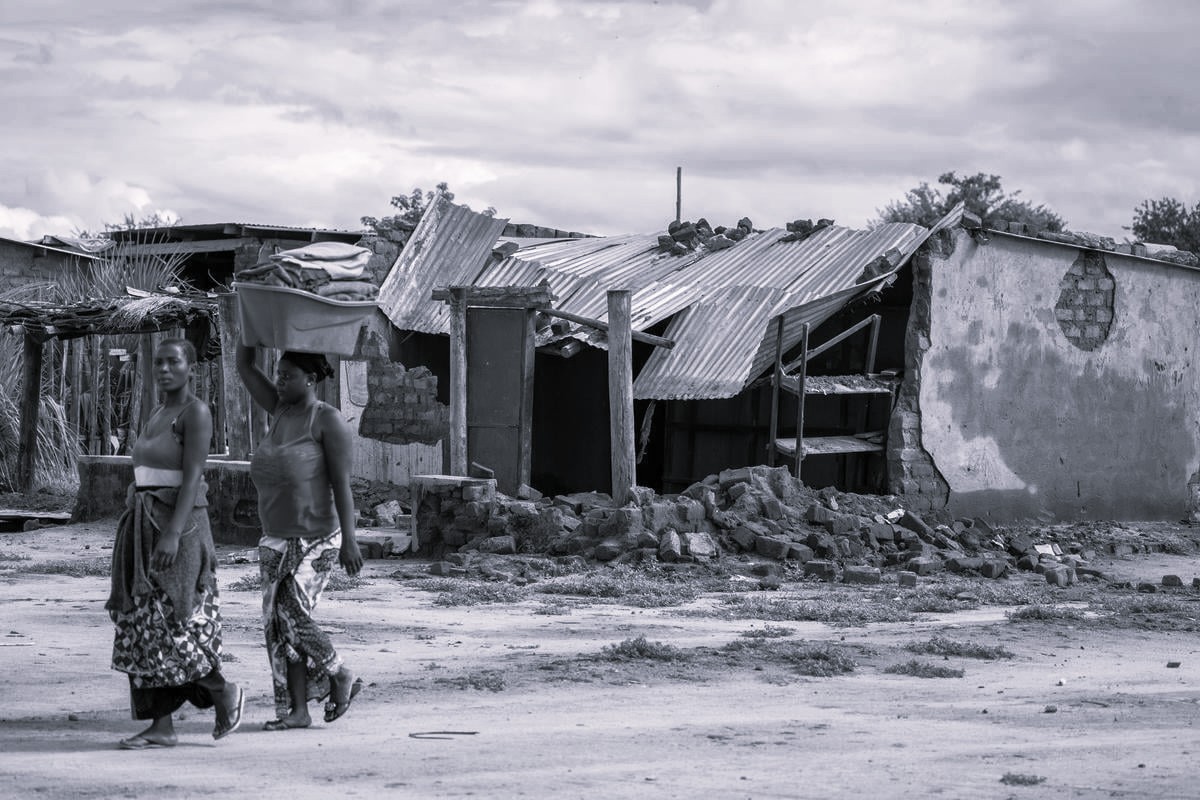
Zimbabwe’s Migration Profile: A Journey Toward Inclusive Migration
Zimbabwe stands at an intersection of movement, where resilience and integration meet. While international headlines often focus on movements of people away from the country, a deeper and more nuanced story exists within the country’s own borders. The Atlas of African migration provides a detailed look at these ever-changing patterns, moving us beyond headlines and directly into ground data and reports.
Rather than looking at migration as a challenge, the Zimbabwean government has recognised that migration is a force that can contribute to the improvements and development of national policies. By collaborating with the International Organisation for Migration (IOM), the government has implemented a national migration management and a diaspora policy (Government of Zimbabwe, 2016). This approach ensures that migration is handled with a focus on both economic growth and human rights, creating a legal channel for workers of all skill levels, from skilled professionals to essential semi-skilled labourers and they also ensure that they have a dignified place in society. From the 2013 Constitution of Zimbabwe (Amendments No 20) and the Refugee Act, the legal framework provides a broad declaration of rights applying to all persons including refugees and asylum seekers and grants protection from inhumane treatments (African LII, 2025). Most importantly the inclusion of unaccompanied minors in the national care systems show a commitment to protecting the most vulnerable minors, ensuring that they are not just “Processed for documentation” but also cared for.
Zimbabwe is considered as one of the destination for migrants in the region, with data showing a diverse country of origin of those migrating to Zimbabwe. As of 21 March 2025, the UNHCR reported that a large number of people that make up the migrant community in Zimbabwe come from the DRC, Rwanda, Burundi, Mozambique and various other countries together (Operational Data Portal, 2025). Zimbabwe has setup a “refugee camp” approach for its initial refugee management strategy mainly through the Tongogara Refugee Camp and the Waterfalls Transit Camp, with a goal of supporting refugees and integrating them into communities (UNHCR, 2025)
The journey towards the integration of migrants and refugees into communities is ongoing and the country continuing to improve and strengthen their framework to protect the vulnerable. The government is also working towards aligning the Trafficking in Persons Act with international standards and secure convictions for those exploiting migrants. These efforts demonstrate Zimbabwe’s commitment to fostering the inclusion of migrants in the society and enabling their active participation in the nation’s social and economic life.
Read the country profiles: https://sihma.org.za/african-migration-statistics/country/zimbabwe
References
African LII. (2025, January 1 ). Zimbabwe Refugee Law Reader. Retrieved from African LII: https://africanlii.org/en/akn/zw/doc/book/2023-12-11/zimbabwe-refugee-law-reader/eng@2025-01-01
Government of Zimbabwe. (2016). NATIONAL LABOUR MIGRATION POLICY FOR ZIMBABWE. Retrieved from IOM: https://publications.iom.int/system/files/pdf/national-labour-migration-policy-for-zimbabwe.pdf
Operational Data Portal. (2025). Zimbabwe. Retrieved from Operational Data Portal: https://data.unhcr.org/en/country/zwe
SIHMA. (2025). Zimbabwe. Retrieved from SIHMA: https://sihma.org.za/african-migration-statistics/country/zimbabwe
UNHCR. (2025). Zimbabwe. Retrieved from UNHCR: https://www.unhcr.org/africa/where-we-work/countries/zimbabwe
ZIMLII. (1983, October 28 ). Refugee acts: Chapter 4:03. Retrieved from ZIMLII: https://zimlii.org/akn/zw/act/1983/13/eng@2016-12-31
Categories:
Tags: