
Why Tougher Laws Aren't Stopping Irregular Migration from Ethiopia
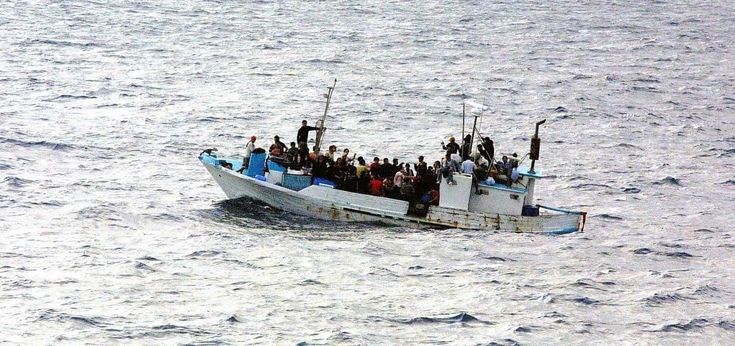
Every year, thousands of young Ethiopians go on a dangerous journey towards the Gulf states and Europe, often without proper documentation and through the hands of smugglers, and they are also often fully aware of the risks and dangers of the journey. The Ethiopian government has spent the past few years improving and implimenting their legal framework, So why does irregular migration keep increasing? A recent study by Getye Abneh and Fekadu...
Two Sides of One City: Rural Youth, Urban Migration, and the Search for Balance
Every year, a large number of people leave their home to pursue better opportunities. While many cross international borders, others prefer to move within their own country, from a struggling village to a growing city. Although the nature of the journeys varies, they all pose the same question: how do young migrants and the cities that receive them find their footing together? A recent study of Hawassa, one of Ethiopia’s fastest-growing cities, offers a grounded look at this...
Waiting for Years and Feeling Stuck
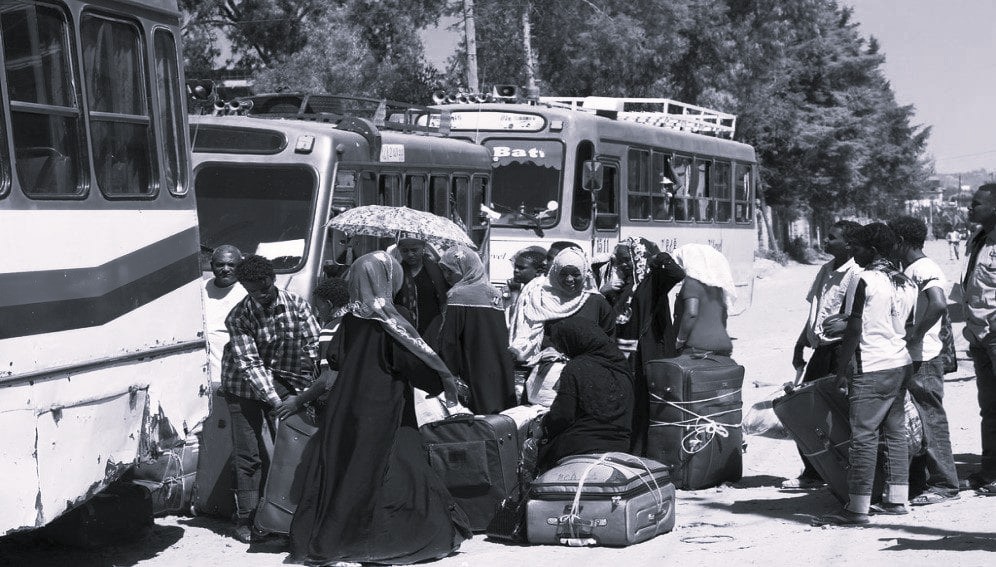
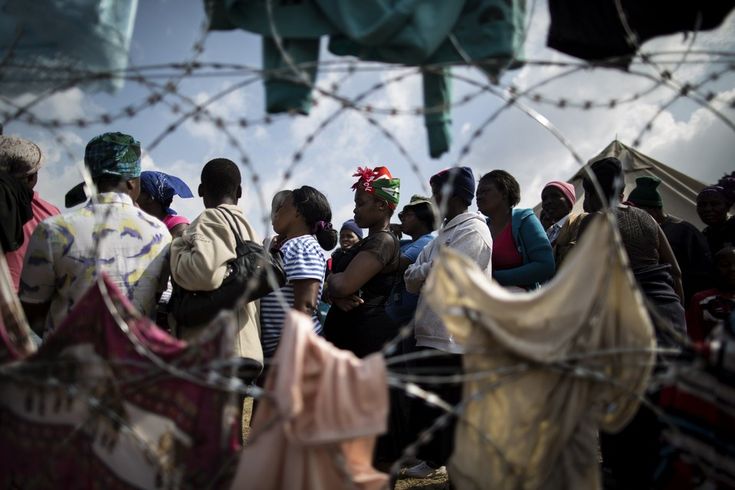
Obtaining official refugee and asylum documents in South Africa is a constant challenge for migrants. Imagine a queue forming outside the refugee reception office before the sun rises, with some people having travelled to the office for long hours and with others who have stood in different versions of this queue for years. And many are usually turned away and asked to come back another day. This scene is the focus of a recent study by Pineteh E. Angu, published in the African Human...
Navigating Livelihood and Belonging: The Everyday Realities of African Migrant Women in Cape Town
“When I hear the word Home Affairs I run the other way.” – Patricia, a Zimbabwean migrant woman Patricia’s words capture both a personal fear and a systemic reality. They reflect not...
Humanitarian and Migration Dynamics in Niger: A Regional Analysis
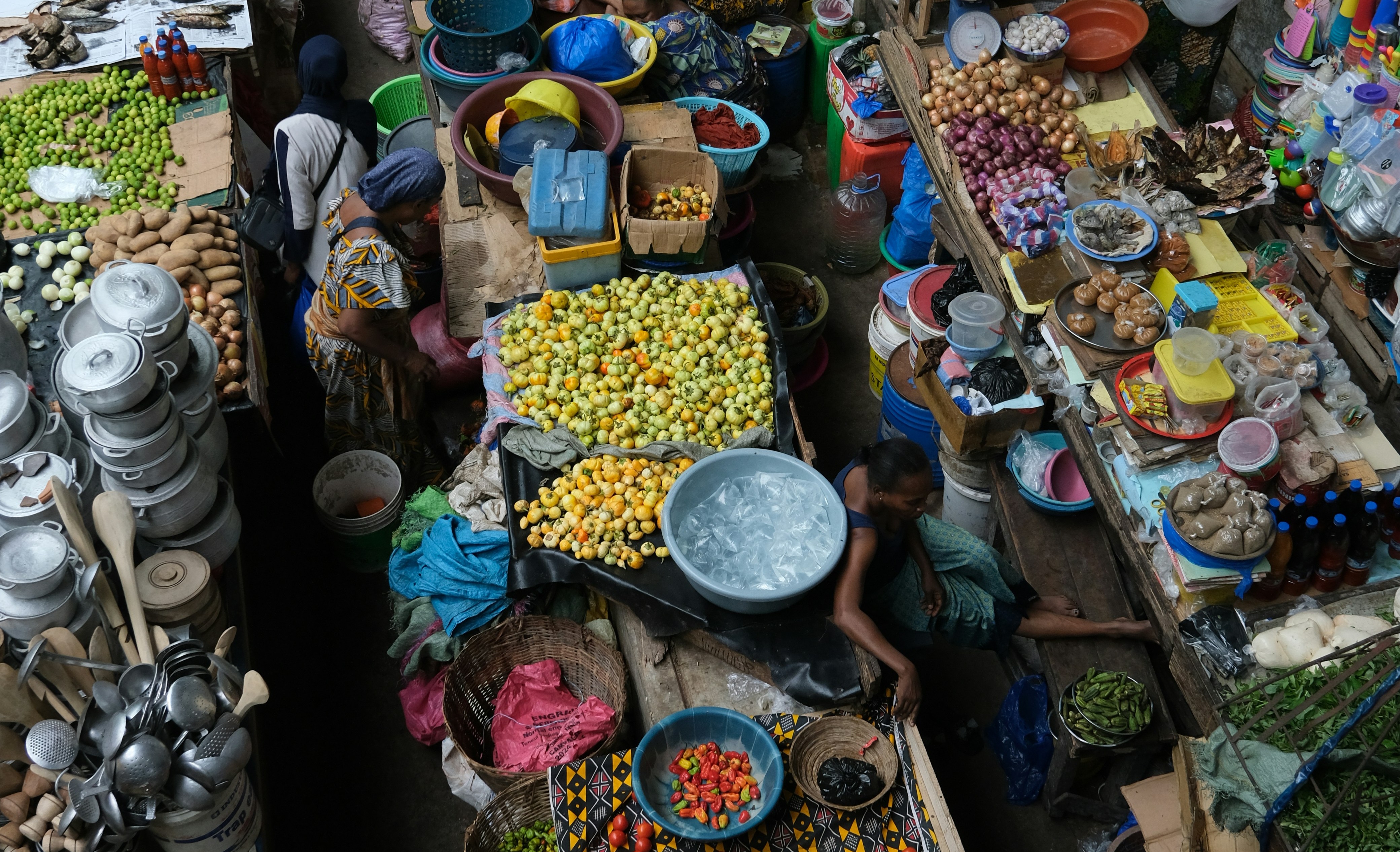
Niger occupies a pivotal role in West Africa’s asylum and migration landscape, shaped by intersecting pressures of regional conflict, environmental stressors, and political volatility. Bordered by Burkina Faso, Libya, Nigeria, Mali, and Chad all affected by varying degrees of insecurity the country has experienced sustained displacement, particularly in the regions of Tillaberi, Tahoua, Diffa, and Maradi. These movements are compounded by climate-related events such as flooding and drought, which exacerbate rural poverty and place additional strain on...
Human Trafficking in Africa: Patterns, Drivers, and Responses
This year’s World Day Against Trafficking in Persons draws attention to the persistence of sex trafficking across Africa, where organized crime, systemic inequality, and weak institutional capacity converge to create conditions of exploitation. Evidence indicates that women and girls are disproportionately affected, with risks amplified by poverty, entrenched gender norms, limited legal protections, and climate-induced displacement. Trafficking networks exploit porous borders and increasingly operate through digital platforms, while state responses often remain under-resourced and fragmented. ...