
Migration in Somalia: People on the Move
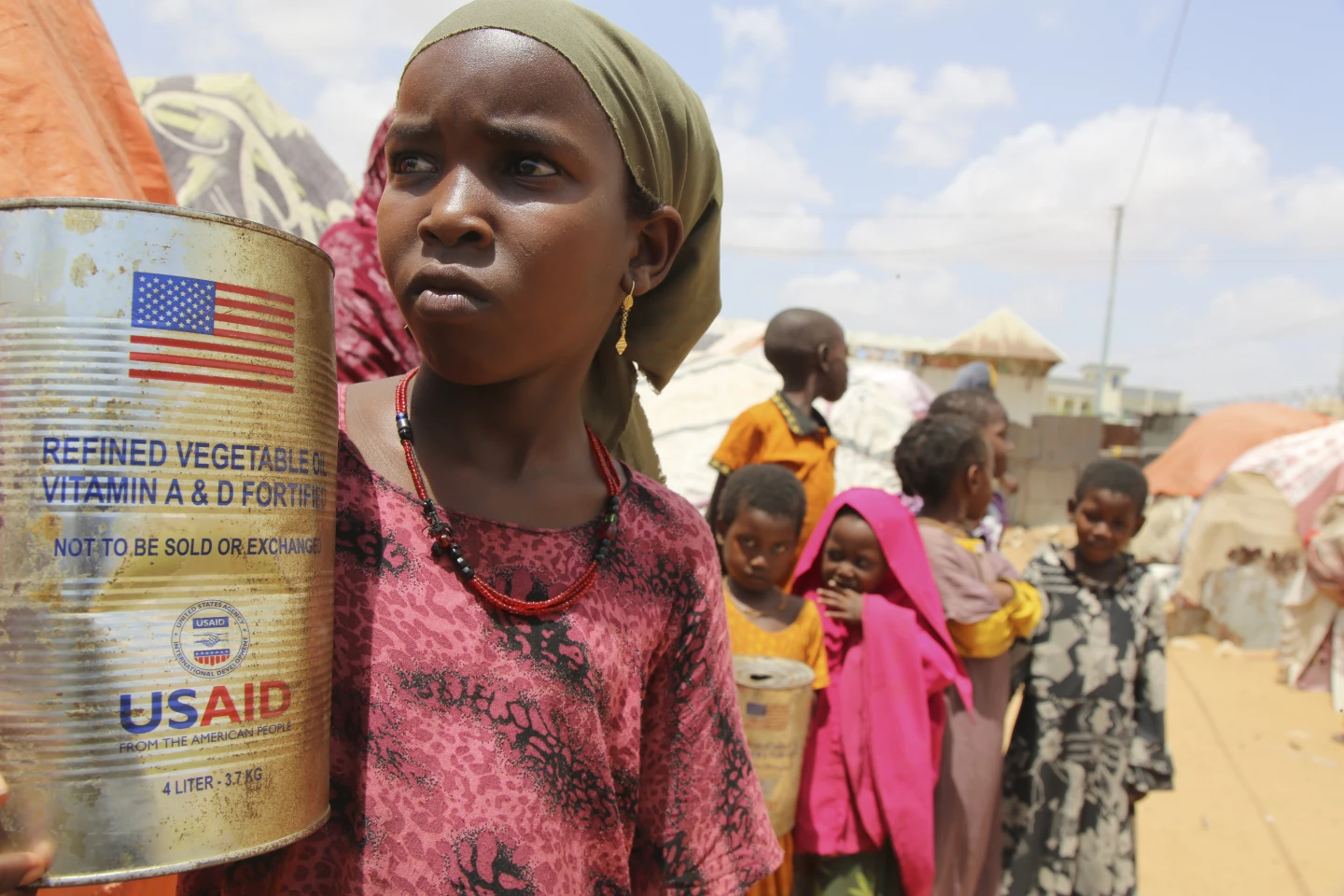
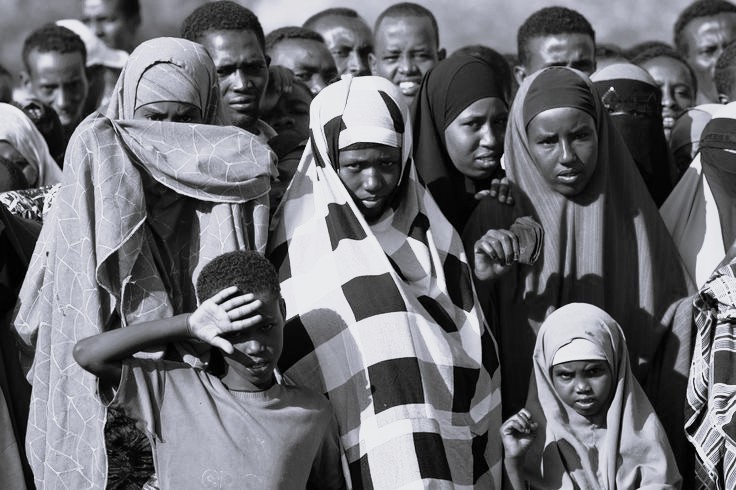
Somalia has long been a country in motion. Its people move within its borders, across to neighbouring countries, and along major international migration routes, driven by a mix of necessity, aspiration, and circumstance. Understanding migration in Somalia means listening to two voices at once: the migrant seeking safety or opportunity, and the communities and institutions that receive, support, or manage their movement. A Developing Migration Policy Framework Somalia has...
The Scapegoat Syndrome: Immigration, Inequality, and the Governance Gap
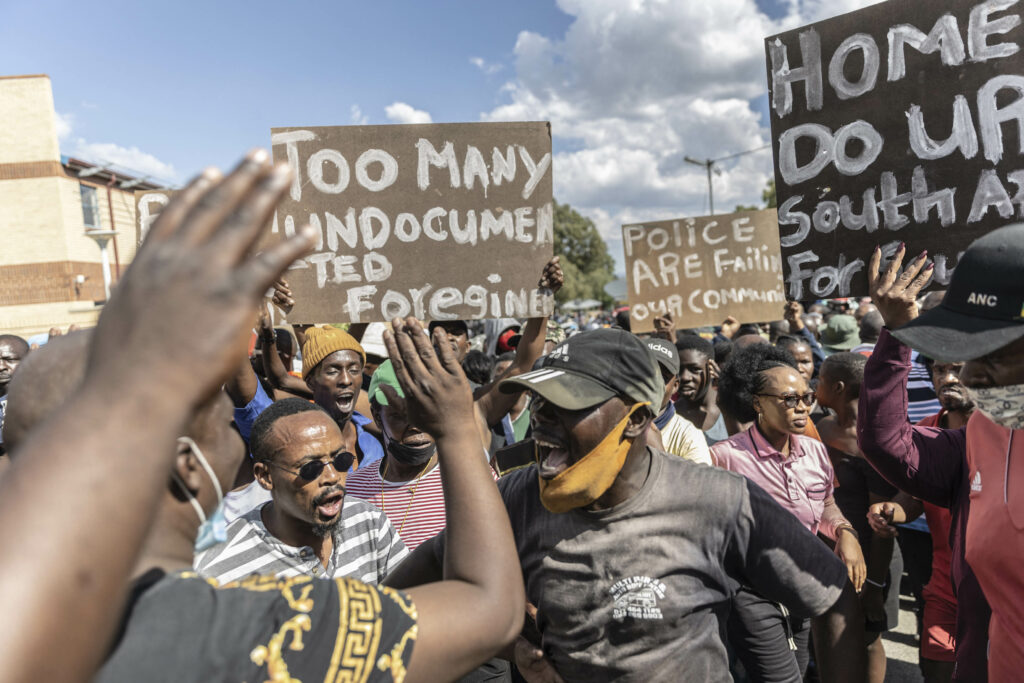
Liberal democracies have endured a series of cascading crises over recent decades from 9/11 and the financial crash to the pandemic, climate pressures, and geopolitical fragmentation. These crises have challenged their ability to govern in an increasingly complex world. In this climate of insecurity, immigration has become a potent scapegoat, symbolizing frustrations tied to economic strain, cultural change, and the perceived failures of globalization. Politicians and online movements exploit this narrative by portraying migrants as invaders and...

Migrants, Refugees and Displaced Persons
Recent weeks have seen a troubling surge in xenophobic activity in South Africa, particularly targeting foreign nationals’ access to public healthcare a phenomenon now termed “medical xenophobia.” Despite constitutional guarantees and legal precedents affirming healthcare rights for all, activists have illegally blocked clinics, harassed staff, and removed patients, claiming foreigners are overburdening the system. These actions, fuelled by political rhetoric and misinformation, have spread from Gauteng to other provinces and are increasingly normalized in public discourse....
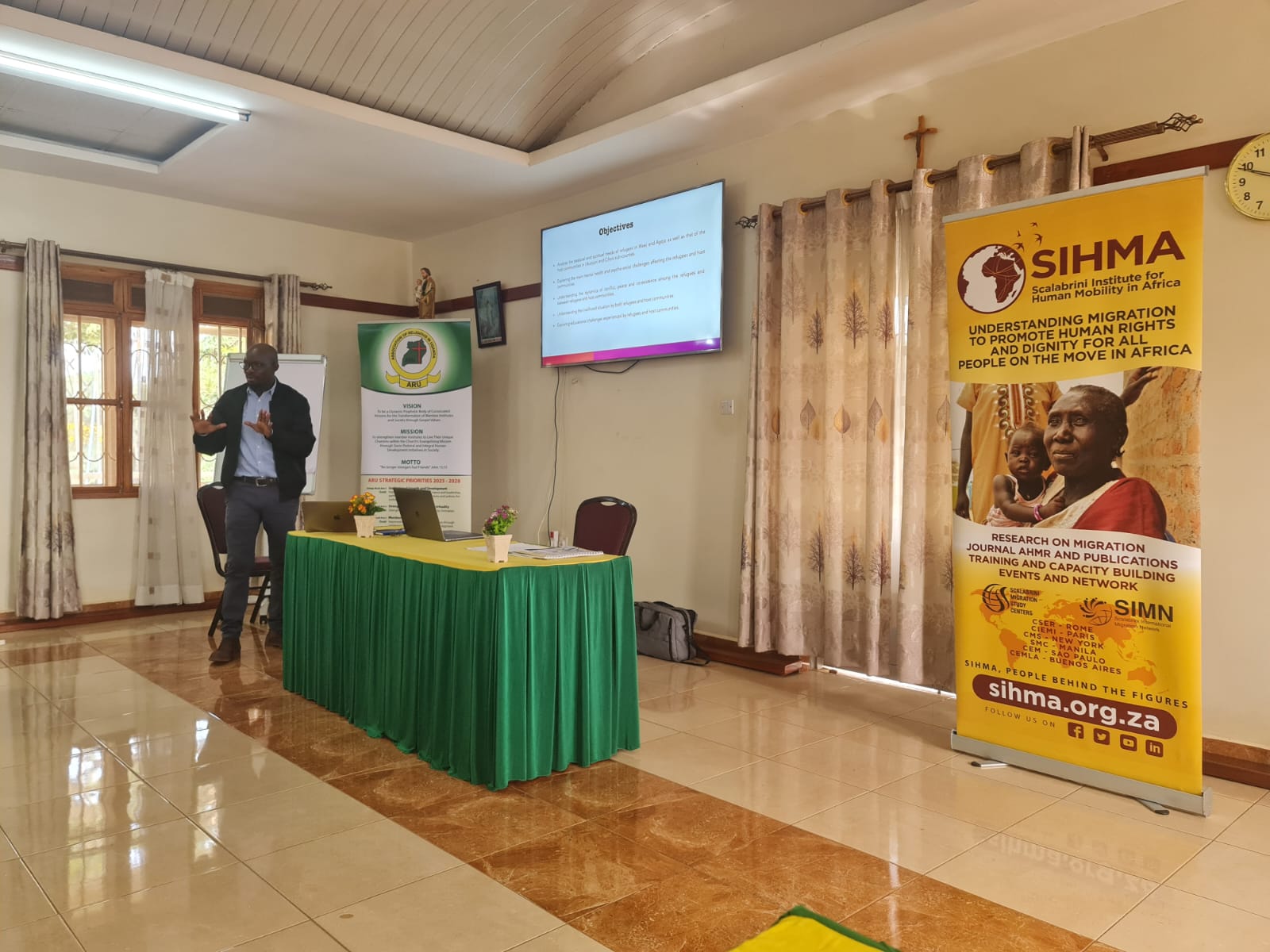
Key Performance Indicator Framework Research Workshop in Uganda: A Collaborative Approach to Refugee Integration
The Key Performance Indicator (KPI) Framework Research Workshop, held from 15th to 16th July 2025 at the ARUA Centre in Kampala, Uganda, brought together stakeholders to discuss refugee integration through research, collaboration, and practical solutions. The workshop aimed to share experiences, present research findings, gather stakeholder feedback, and develop actionable recommendations for implementing a robust KPI framework. Day 1: Setting the Stage for Refugee Integration
Rooted in Exile: Preserving Culture in African Refugee Communities
Culture and tradition have long stood as pillars of African society, shaping the identities, behaviours, and worldviews of individuals and communities alike. For African children and adults, these elements are not merely ceremonial, they inform social structures, define spiritual beliefs, transmit knowledge, and offer meaningful frameworks for addressing governance and environmental issues. Among displaced populations, however, these foundational elements often face erosion. Refugee camps and communities present a particular challenge to maintaining cultural integrity, Gregory Scarborough the author...
The Reality of International Aid Funding Cuts
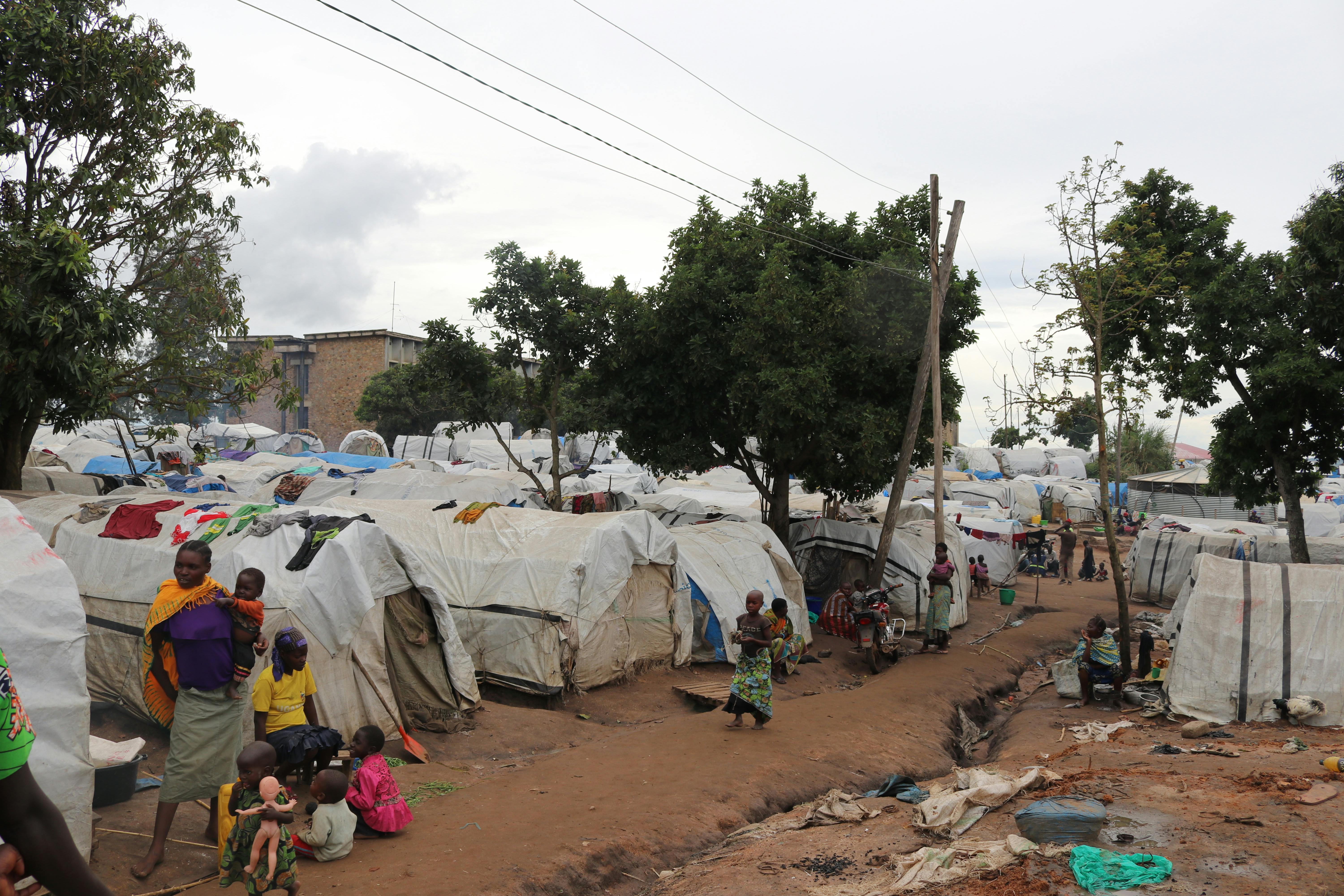
The largest number of forcibly displaced people in recorded history is occurring today with various crises around the globe causing 139.3 million people to flee from violence, natural disasters, or instability (UNHCR, 2025). Further, the largest internally displaced crisis in history is happening in Sudan, with 13.7 million people being internally displaced at the end...