
Feminisation of Migration: Reflections from the SIHMA Guest Lecture at UWC
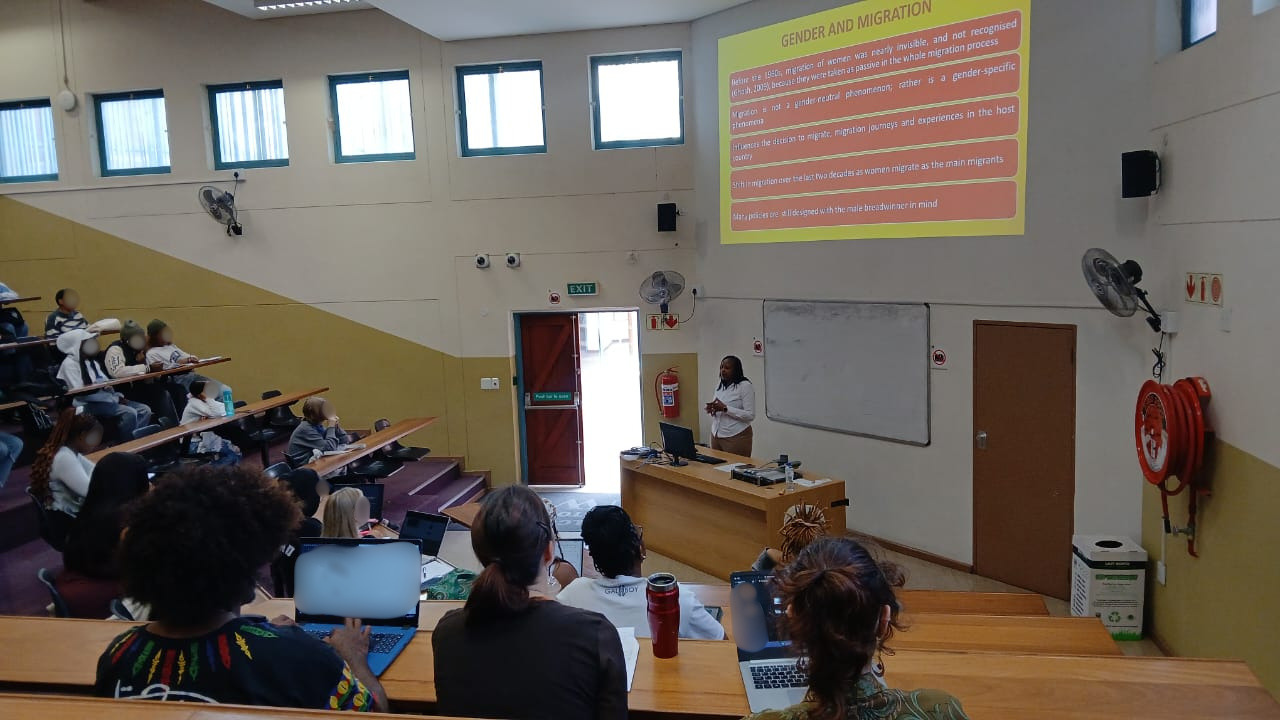
Migration has long been framed as a predominantly male phenomenon, shaped by narratives of labor mobility and economic survival. However, the trends and patterns of migration has shifted over the centuries with more women migrating as the economic providers of their families. Building on the relationship that the Scalabrini Institute for Human Mobility in Africa (SIHMA) has with the University of the Western Cape, and bringing non-academic setting experience, SIHMA delivered a lecture...
Cameroon: A Story of Shared Resilience and Open Borders
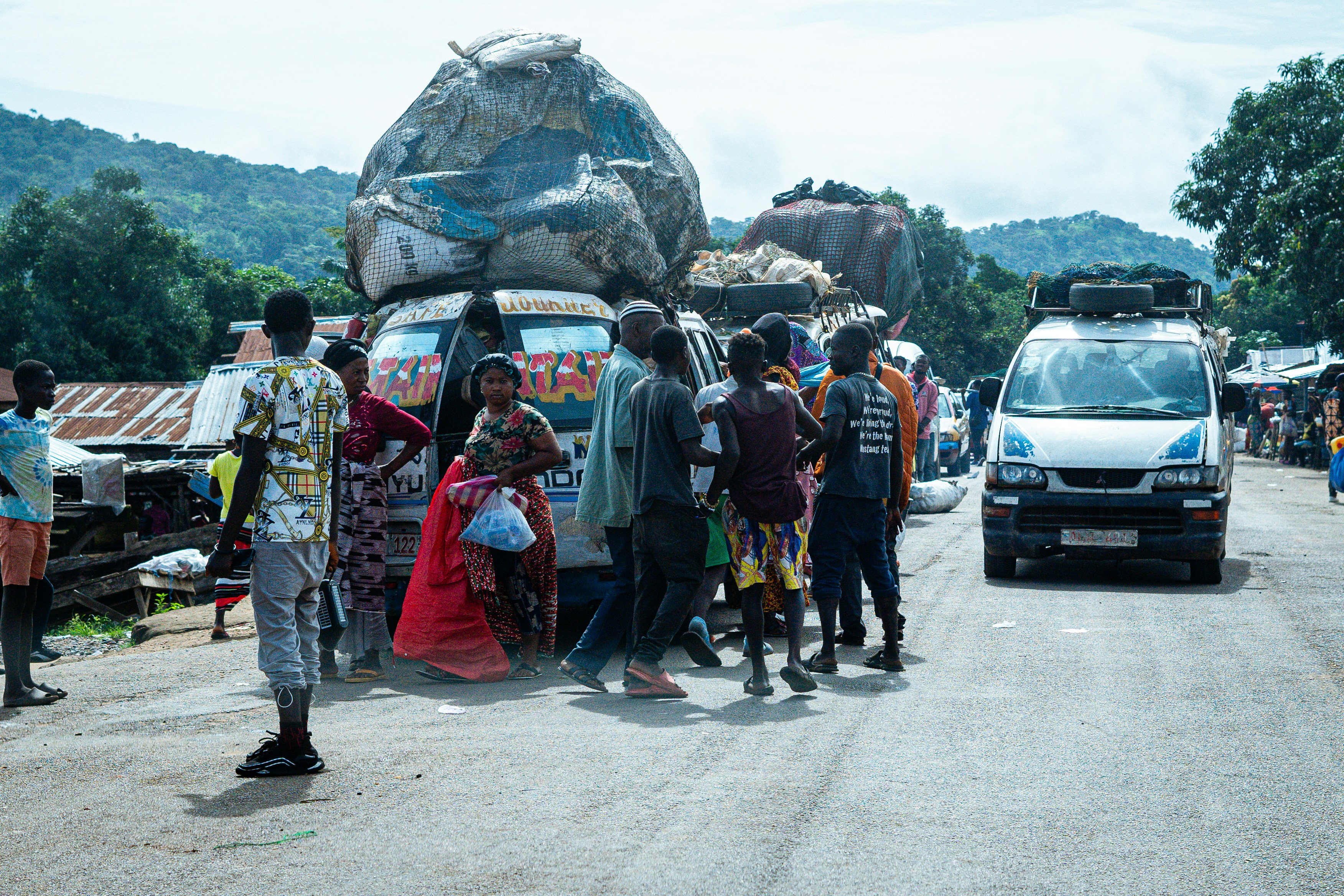
Cameroon is often referred to as “Africa in Miniature”, serving as a profound statement to the power of shared resilience in the face of complex migration dynamics. Since its independence, the nation has established a warm tradition of hospitality, evolving from a signatory of international protocols such as the 1951 Refugee Convention into a vital sanctuary that hosts over 413,000 refugees and asylum seekers (Operational Data Portal, 2026)
NEWLY PUBLISHED ARTICLE: Gaps in the Implementation of the Non-Prima Facie Refugee Status Determination in Uganda
As millions of refugees fleeing conflict and instability, Uganda stands out as one of the friendliest nations amid an evolving global displacement environment (Frank Ahimbisibwe & Milena Belloni, 2024). The procedure of determining non-prima facie refugee status, is less common but vital component of refugee protection. The non-prima facie path requires individual asylum seekers to prove their case, often in urban context and under far more complex conditions than the prima facie approach, which quickly gives refuge...
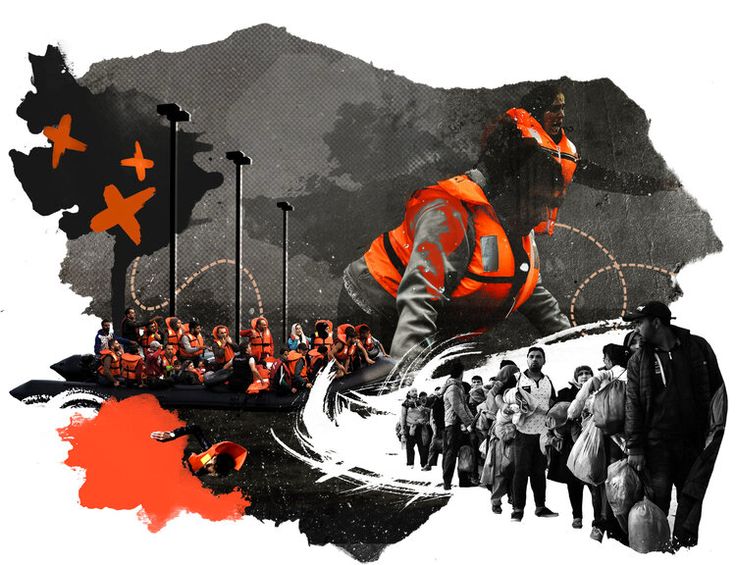
Migrants, Refugees and Displaced Persons
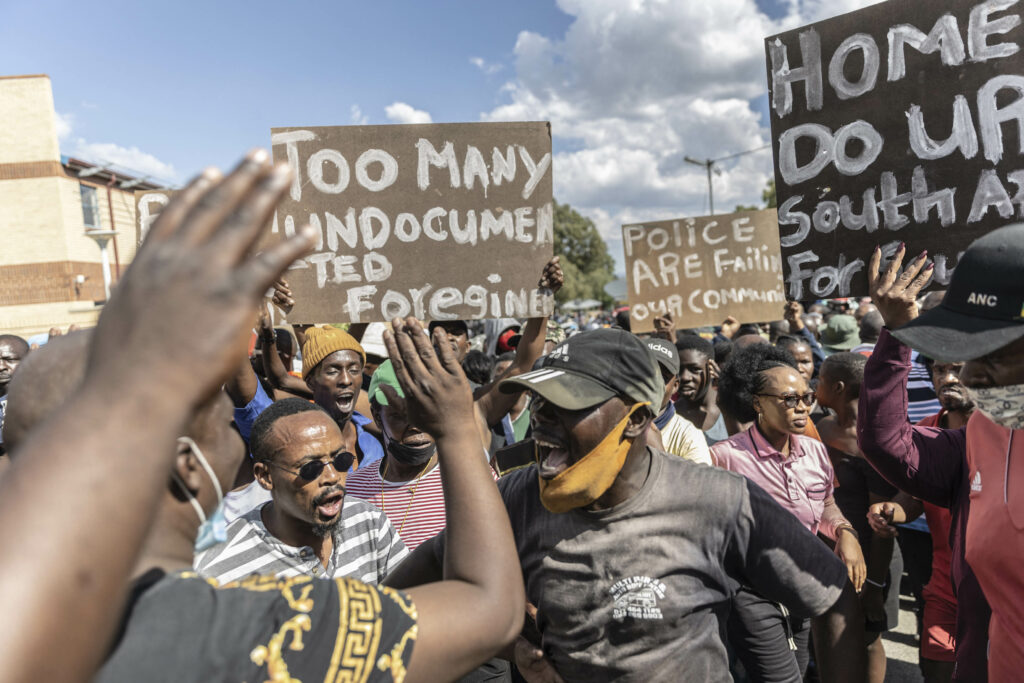
Recent weeks have seen a troubling surge in xenophobic activity in South Africa, particularly targeting foreign nationals’ access to public healthcare a phenomenon now termed “medical xenophobia.” Despite constitutional guarantees and legal precedents affirming healthcare rights for all, activists have illegally blocked clinics, harassed staff, and removed patients, claiming foreigners are overburdening the system. These actions, fuelled by political rhetoric and misinformation, have spread from Gauteng to other provinces and are increasingly normalized in public discourse....
African Migration Trends, Q2 2025: Regional Dynamics and Global Implications
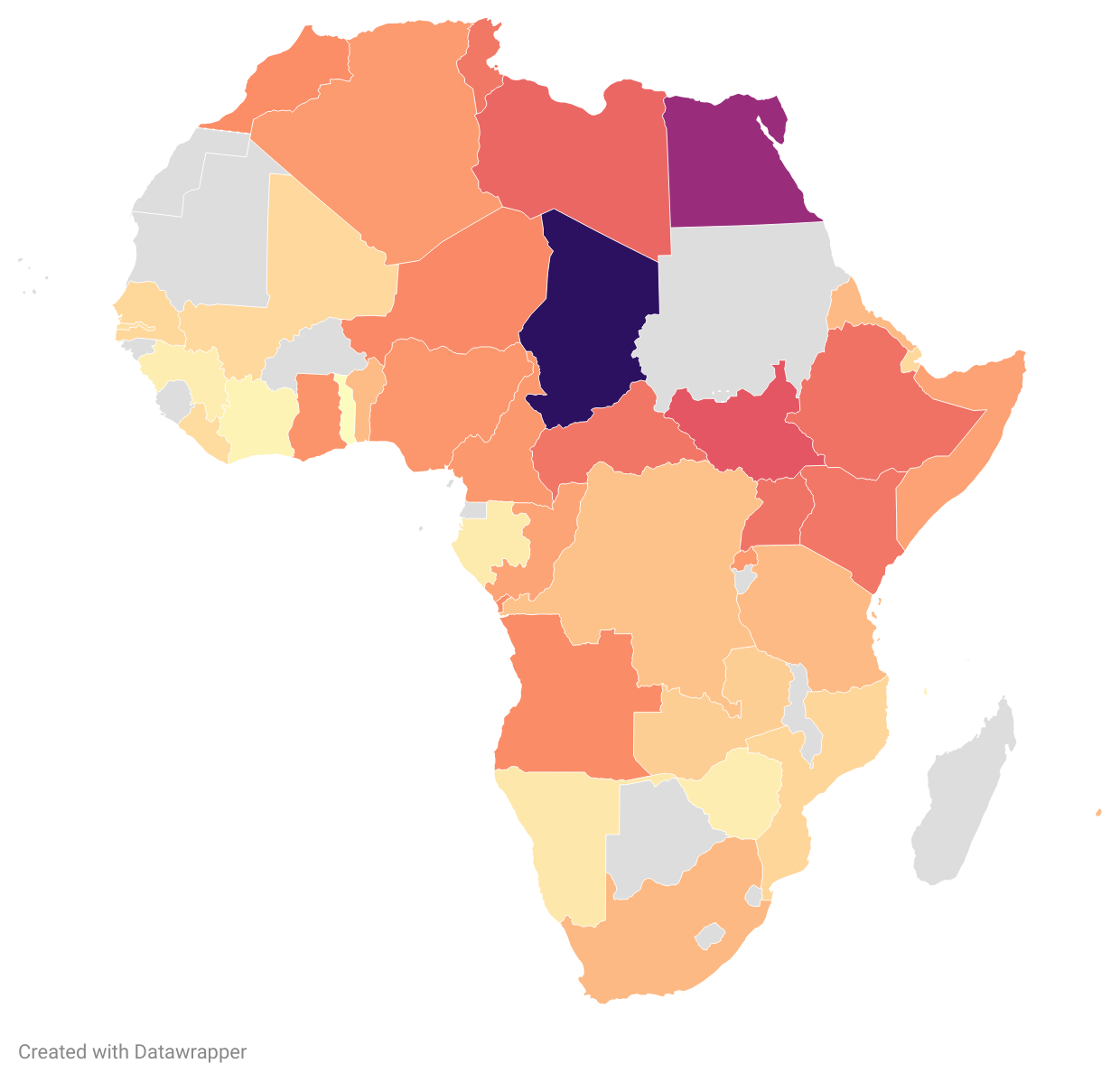
Migration across Africa in 2025 reflects one of the most dynamic and consequential population movements worldwide. While public discourse often canters on irregular journeys to Europe, the empirical evidence demonstrates a more complex reality, the vast majority of African migration remains intra-continental, shaped by overlapping drivers such as conflict, climate change, economic disparities, and evolving policy frameworks. Recent regional updates from North, West, and East Africa to Southern Africa, Egypt, and Yemen reveal how mobility patterns are being...
Kakuma Refugee Camp: A Case Study in Integration Amid Global Humanitarian Retrenchment
Kakuma Refugee Camp, located in Turkana County, Kenya, has undergone a notable transformation since its establishment over two decades ago. Originally conceived as a temporary shelter, the camp now hosts more than 150,000 refugees, primarily from South Sudan and Somalia (Theresa Beltramo and Utz Pape, 2021). Over time, Kakuma has evolved into a semi-urban settlement characterised by a robust informal economy. According...