
From migrant stories to Films: How young migrants discovered the power of digital storytelling
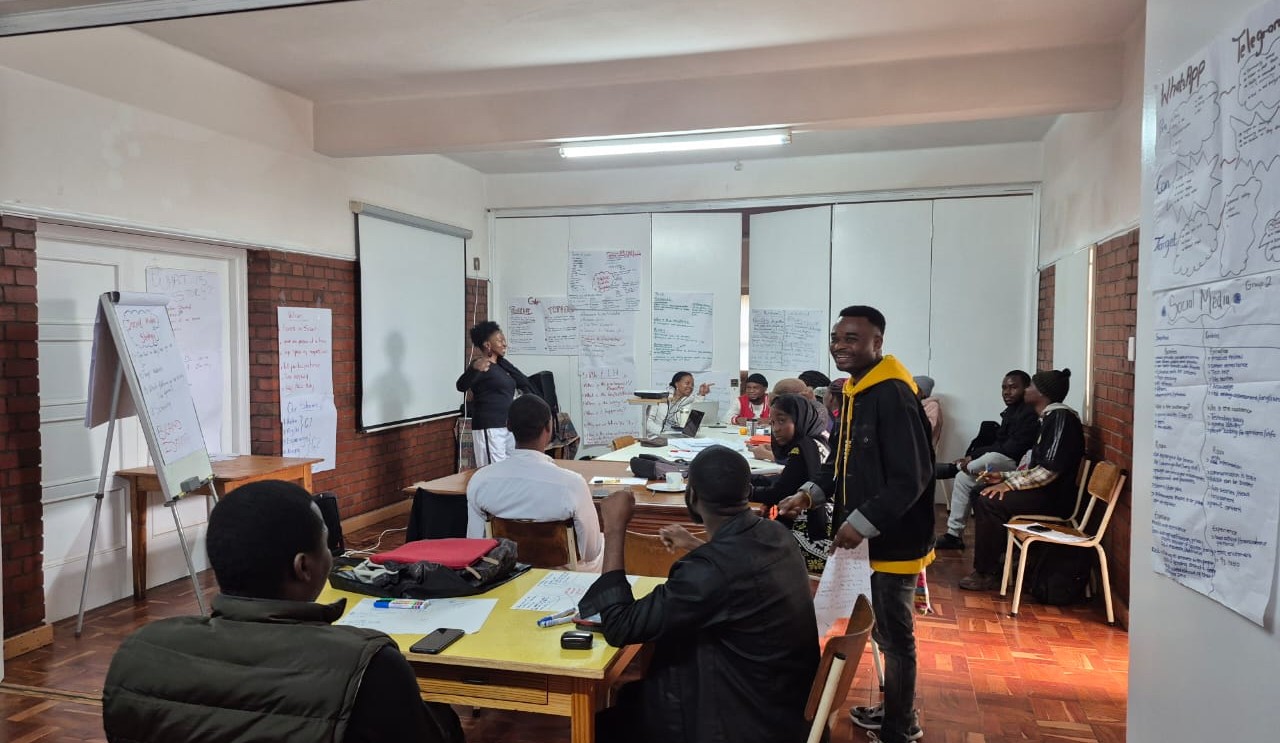
For 2 weeks, a group of young migrants, refugees and asylum seekers gathered at the holy cross hall in District Six, Cape town. Not just to learn digital skills but to find their voice in a world that is increasingly being digitalised.
In an era of rapid digital transformation, access to digital tools is no longer a luxury, it is a way of living. For migrants, refugees and asylum seekers digital literacy opens door to inclusion, protection, economic opportunities and the ability to shape their own stories. Recognising this urgent need, the Scalabrini Institute for Human Mobility in Africa (SIHMA), in collaboration with STEPS an organisation with deep expertise in documentary filmmaking and training launched the Digital Awareness, Empowerment and Storytelling Training, made possible through the generous support of the Lachapelle foundation.
Twenty young people between the ages of 18 and 35, recruited to partner organisations and social media platforms, came together for a programme that was as hands-on as it was transformative. The training set out to equip participants with essential digital literacy skills, build their confidence in using digital platforms for communication and advocacy, and develop their abilities in video production from scripting and filming to edit and publishing. "I came in thinking this was just a workshop, but I left with a film I made myself. Seeing my story on screen for the first time, I cannot describe that feeling. I finally feel like my voice counts." — Amara T., Refugee, originally from the DRC.
The programme started with participants exploring the different types of stories, how to structure a narrative, how to write a script and how to create a storyboard. They grappled with questions of consent, learning how to ethically involve people in their stories and protect their subjects. During the group sessions, they put theory into practice by developing their own story ideas collaboratively and discovering early on that everyone in the room had something worth telling. From there, the training moved into basic filming. Participants were introduced to the fundamental rule of cinematography which includes framing, headroom, the rule of thirds and learned how to setup for an interview, manage lighting and choose a suitable location. They studied different types of camera shots and what each communicates emotionally to a viewer. Armed with nothing but their smartphones, participants went out in groups to film their stories, applying everything they had learned while their peers offered feedback for improvement. "Learning to film and edit on my phone was the most practical thing. I always thought you needed expensive cameras and computers. The facilitators showed us that storytelling is about the eye and the heart, not the equipment." — Emmanuel K., Migrant youth & aspiring filmmaker.
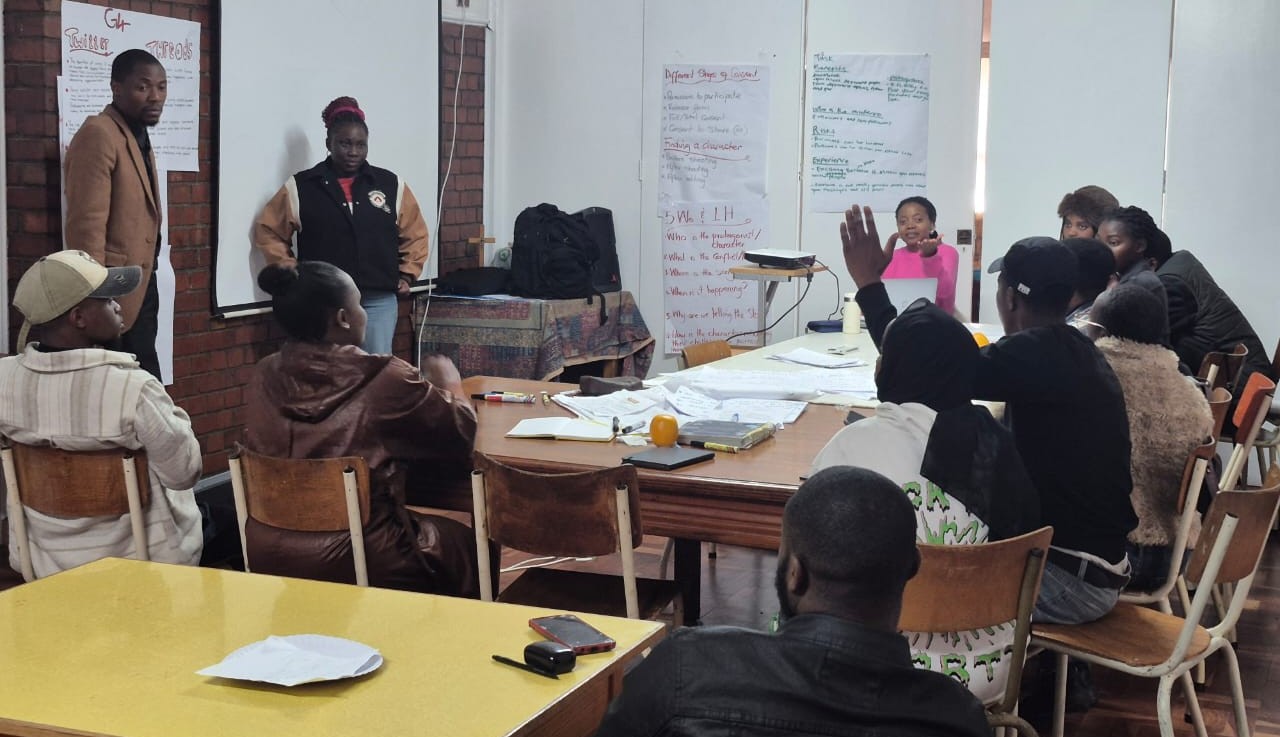
The editing module brought their raw footage to life. Participants discovered that editing is not just a technical step but a creative one, involving decisions about pacing, sequence and tone. They learned to write an edit script and to use mobile editing software, ultimately cutting their own short films from scratch. The creativity and attention to detail that participants brought to this stage was a highlight of the entire programme. The social media component rounded out the training by helping participants understand how platforms like YouTube, Instagram and Facebook could be used as tools for sharing information, building a brand and advocating for change. The group also discussed the risks of cyberbullying, the influence of social media on self-image and the importance of ethical, safe and responsible online behaviour. Participants also shared their own experiences with various platforms and encouraged one another towards intentional, confident digital presences. "The social media module opened my eyes. I had been using Instagram and Facebook every day without understanding how they could actually help me grow my small business. Now I have a proper strategy, and I feel confident about it." — Blessing N., Asylum seeker & entrepreneur
The result of the nine-day training was remarkable. By the final day, the group had collectively produced three short documentary films using only their smartphones, a tangible lasting achievement that captured their stories and skills. Beyond the films, participants left with greater confidence, stronger teamwork and communication skills and a peer network that has continued to grow beyond the training dates. "What I valued most was the community we built. We were strangers on day one. By the last day, we were a team with a shared WhatsApp group, shared skills, and shared dreams. Some of us are already planning our next project together." — Fatima J., Refugee & participant
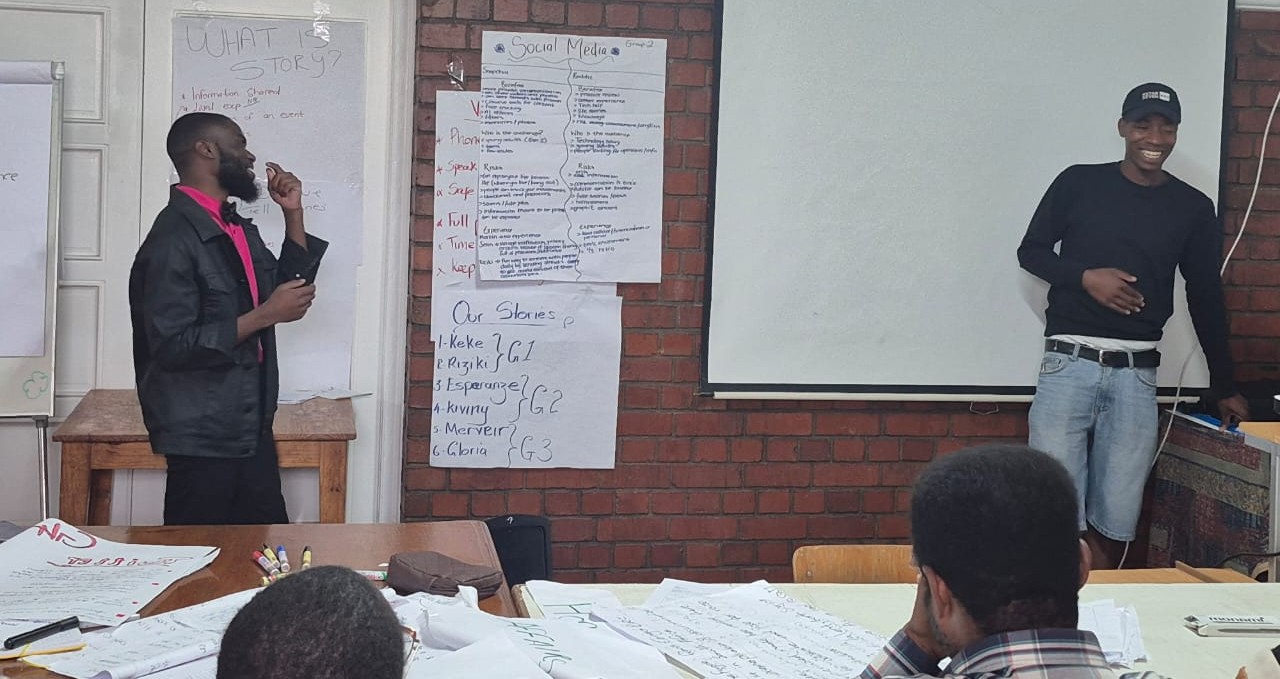
The facilitation approach drew consistently high praise. Participants noted that the combination of interactive presentations, group discussions, hands-on exercises and learning from existing documentaries made complex concepts accessible and applicable. The practical nature of the training meant that participants were not just listening but instead they were doing, creating and sharing their work. "The training helped me understand that I have a story worth telling. Everyone does. But now I also know how to tell it, with a proper script, the right shots, and the right platform to share it on." — Samuel O., Young migrant & digital content creator
Categories:
Tags:
- Migrant Stories
- Digital Inclusion
- Community Building
- Voices Of Refugees
- Youth Empowerment
- Ethical Storytelling
- Social Media Strategy
- Content Creation
- Documentary Filmmaking
- Video Production Training
- Mobile Editing
- Smartphone Filmmaking
- Lachapelle Foundation
- STEPS
- SIHMA
- South Africa
- District Six
- Cape Town
- ADVOCACY
- Social Inclusion
- Human Mobility
- Asylum Seekers
- Refugee Empowerment
- Migrant Youth
- Digital Storytelling
- Digital Literacy