

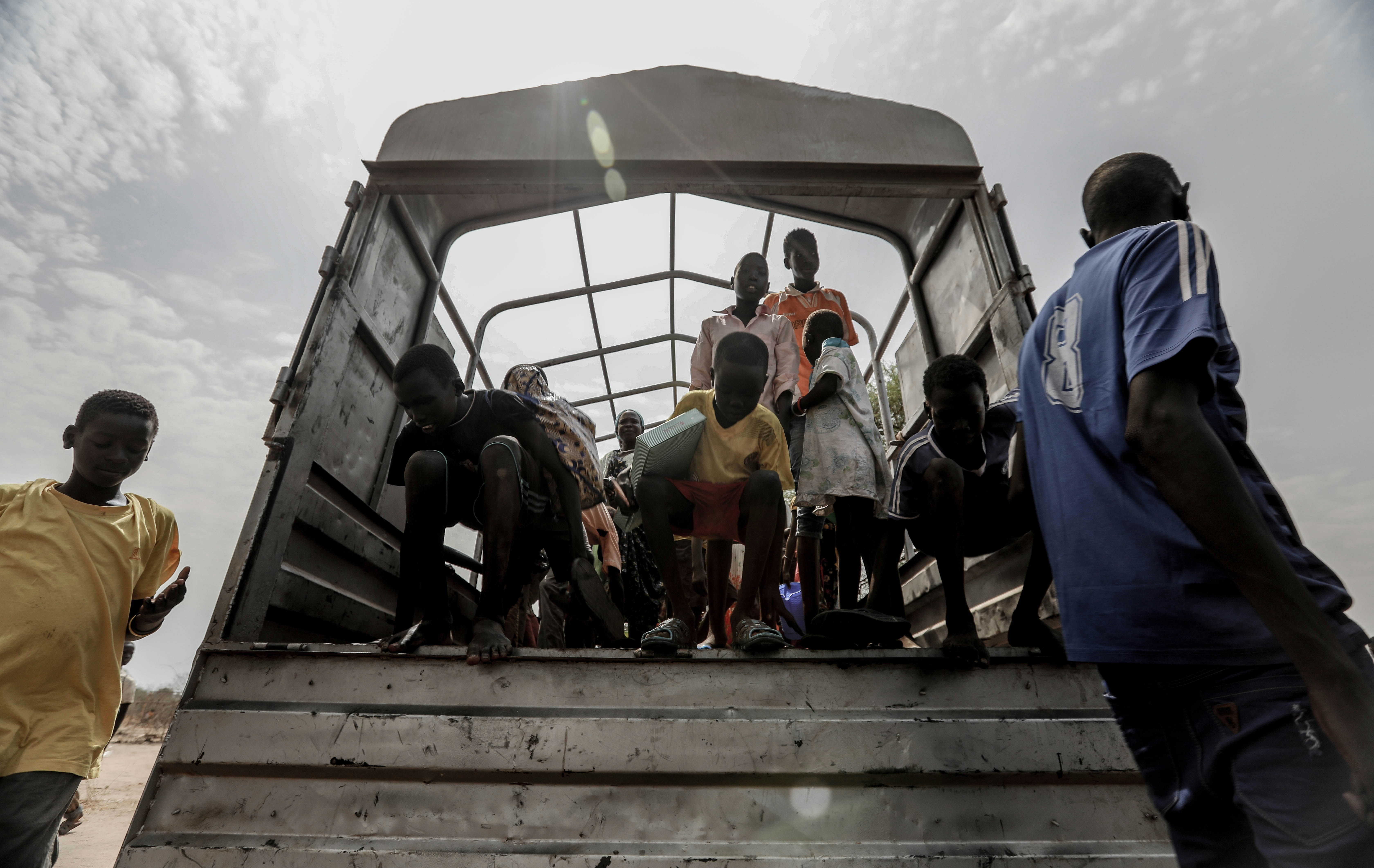
Non-Refoulement under Strain: South Africa’s Asylum System and Regional Displacement
The southern African political and social landscape is highly influenced by features of migration and forced displacement. Cross-border migration has continuously been driven by conflicts, economic instability, and environmental stress from within and neighbouring African countries. Yet, at the heart of all this tension is the principle of non-refoulement, which is a cornerstone of international human rights law that prohibits returning refugees/migrants to situations of harm (UNHCR, 2025).
Understanding non-Refoulement
Non-refoulement ensures that refugees or migrants cannot be sent back to a country where there are considerable grounds to believe they would face irreparable harm, including torture, cruelty, inhuman, degrading treatment, persecution, or other serious human rights violations. Unlike refugee laws, which focus on migration status, the non-refoulement applies to all individuals regardless of their migration status, nationality, or citizenship. The principle has been adopted in international treaties such as the Convention Against Torture (United Nations, 1987) and the International Convention for the Protection of all Persons from Enforced Disappearance (United Nations, 2010).
However, under international refugee law (UNHCR, 2010), Article 33(2) of the 1951 Refugee Convention provides a limited exception, permitting the removal of a refugee who poses a danger to the security of the host state or has been convicted of a particularly serious crime. Importantly, this exception does not apply where removal would expose the individual to torture or other non-comparable human rights violations, as the prohibition of refoulement under international human rights law is absolute and allows for no exceptions, including on grounds of national security.
Cross-border displacements in southern Africa have increased due to prolonged conflicts in the Democratic Republic of Congo, political and economic instability in Zimbabwe and uneven development across the region. Many displaced persons travel through informal channels, remaining outside official protection systems, which exposes them to detention, deportation and the risk of refoulement. Regional institutions like SADC and COMESA have struggled to respond effectively, because they have weak legal mandates and enforcement powers, prioritize state sovereignty and security over refugee protection, and a lack of institutional capacity and political will. Their framework focuses largely on economic and security cooperation, leaving refugee protection to national governments and international actors, while inconsistent national asylum systems, limited accountability mechanisms and poor regional coordination have allowed forced return and deportations to continue with little regional intervention. While they have made progress in trade and infrastructure, migration governance and refugee protection remain fragmented.
South Africa’s Asylum and Deportation System
Chronic inefficiencies and systemic violations of refugee rights in the South African asylum system put many at high risk of refoulement. A journal written by Khangelani Moyo and Franzisca Zanker show that a massive backlogs in refugee documentation, compounded by restrictive permit requirements and limited operating offices leave many Zimbabweans and other migrants in “permanent temporariness,” vulnerable to arbitrary arrests, unlawful detention, and deportation. Legislative and policy changes have blurred the distinction between refugees and other migrants, linking asylum eligibility to skills, employment, and financial self-sufficiency, while public and political narratives construct all non-citizens as economic threats or criminals (Khangelani Moyo & Franzisca Zanker, 2022). Asylum seekers including those affected by Operation Murambatsvina face long queues, limited access and delays in receiving permits at the refugee Reception Offices (Tariro Washinyira & Joseph Chirume, 2023). Refugee Status determination Officers (RSDOs) are under resourced and overburdened, leading to poor quality decision making and prolonged delays (Human Rights Watch, 2008).
While the South African law protects asylum seekers from deportation, enforcement is weak. Bribery and inadequate access to legal rights as well as rapid deportation has been reported at detention centres including Lindela and facilities near the Zimbabwean border. Many asylum seekers are deported and frequently without due process. The systemic failures underscore the high risk of refoulement for Zimbabwean asylum seekers, highlighting the need for a rights-based protection mechanism (Human Rights Watch, 2007).
Migration and displacement in Southern Africa continue to expose the gap between human rights commitments and state practices. Despite the nature of non-refoulement securitized migration policies, weak institutions and inefficient asylum systems particularly in South Africa place many displaced persons at serious risk of unlawful return. Strengthening rights-based protection mechanisms and regional cooperation is essential to ensure that border control does not override fundamental human rights and human dignity.
References
Human Right Watch. (2008, June). Failings in the Asylum and Deportation Systems Leading to Refoulement of Zimbabweans. Retrieved from Human Right Watch: https://www.hrw.org/reports/2008/southafrica0608/8.htm
Human Rights Watch. (2007, February ). Human Rights Watch. Retrieved from Human Rights Watch: https://www.hrw.org/reports/2007/southafrica0207
Human Rights Watch. (2007, February ). Recent labor migration to South Africa. Retrieved from Human Rights Watch: https://www.hrw.org/reports/2007/southafrica0207/6.htm
Khangelani Moyo & Franzisca Zanker. (2022, Apr 15 ). No Hope for the ‘Foreigners’: The Conflation of Refugees and Migrants in South Africa. Retrieved from Taylor & Francis Online: https://www.tandfonline.com/doi/full/10.1080/15562948.2021.2007318
Nations, U. (1987, June 26 ). Convention against Torture and Other Cruel, Inhuman or Degrading Treatment or Punishment. Retrieved from United Nations: https://www.ohchr.org/en/instruments-mechanisms/instruments/convention-against-torture-and-other-cruel-inhuman-or-degrading
Tariro Washinyira & Joseph Chirume. (2023, July 12 ). Refugees face “no hope” service from Home Affairs. Retrieved from GroundUp: https://groundup.org.za/article/refugees-face-no-hope-service-from-home-affairs/
UNHCR. (1994, May 27 ). The Problem of Refugees in The Light of Contemporary. Retrieved from UNHCR: https://share.google/2LU4im8njlhYLkMf3
UNHCR. (2010, December ). The 1951 Refugee Convention and 1967 Protocol relating to the Status of Refugees. Retrieved from UNHCR: https://www.unhcr.org/media/1951-refugee-convention-and-1967-protocol-relating-status-refugees
UNHCR. (2025, March 06). Access to territory and non-refoulement. Retrieved from UNHCR: https://emergency.unhcr.org/protection/legal-framework/access-territory-and-non-refoulement
United Nations. (2010, December 23). International Convention for the Protection of All Persons from Enforced Disappearance. Retrieved from United Nations: https://www.ohchr.org/en/instruments-mechanisms/instruments/international-convention-protection-all-persons-enforced
Categories:
- Security Measures & Law Enforcement
- South Africa Law Protection Asylum Seekers
- UN And Global Affairs
- UNHCR
Tags: