
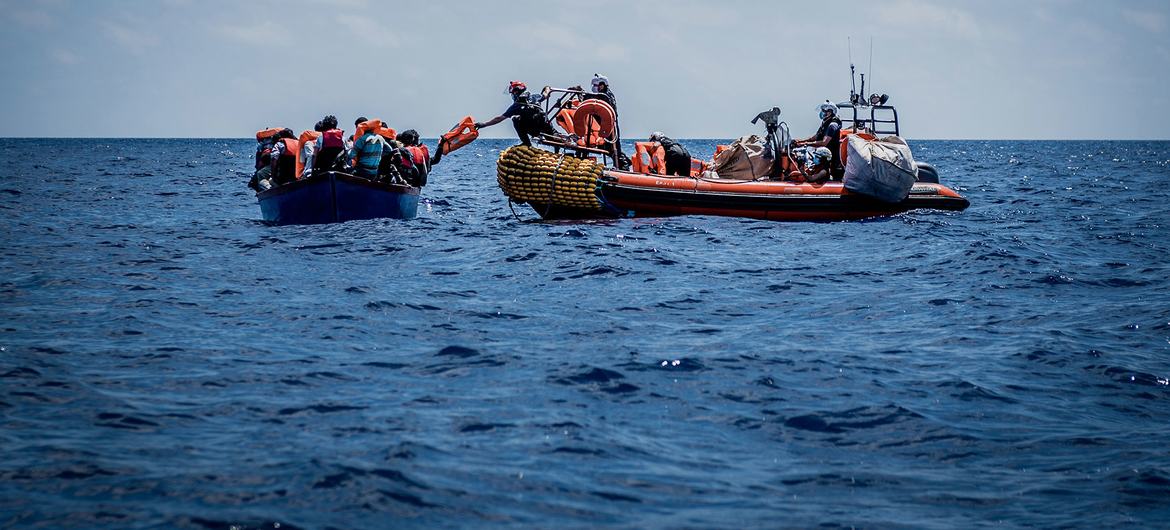
Trapped Between Borders: The Hidden Crisis Facing Migrants and Refugees in Libya
Since 2011, Libya has gone from being one of the best destinations for labour migration to now being one of the most dangerous places in the world for the same people who worked to build its economy. Before the revolution, Libya hosted about 1.35 to 2.5 million migrant workers (Borgnäs Emma; Cottone L.;...
Research Launch: Refugees Integration in Uganda: Perspectives of Refugees, Stakeholders and the Host Community
On 12 May 2026, SIHMA launched the research “Refugees Integration in Uganda: Perspectives of Refugees, Stakeholders and the Host Community,” a journey that started in 2023 following the opening of a new mission by the Missionaries of St Charles Scalabrini in Uganda. The research aimed at informing the work of the Missionaries of St Charles and other projects that are aimed at enhancing refugee integration in Uganda. Given that Uganda hosts millions of refugees and asylum seekers...
Atlas of African Migration: Migration in Chad
Chad stands at the intersection of countries in Africa that experience forced displacement constantly. Positioned at the intersection of the Sahel, the Lake Chad Basin and Central Africa, Chad shares borders with six countries, several of which have experienced, and continue to experience, armed conflicts. . Its strategic geographical location has made Chad a country of Asylum, internal displacement, return migration, and a corridor for circular migration and cross border migration. The UNHCR describes Chad as Africa’s largest...
Waiting for Years and Feeling Stuck
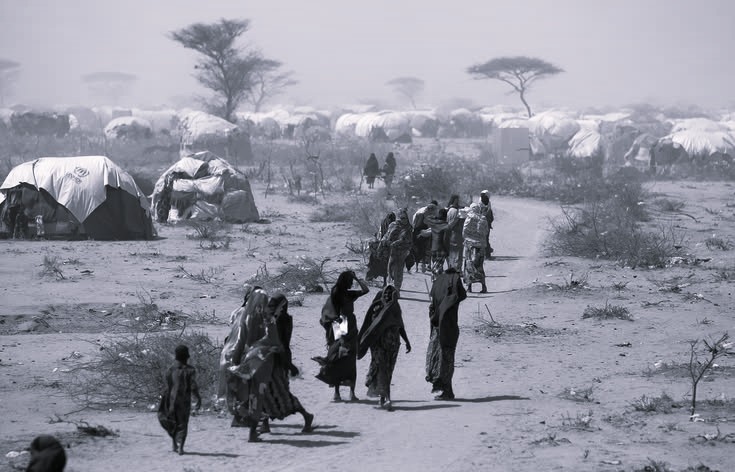
Obtaining official refugee and asylum documents in South Africa is a constant challenge for migrants. Imagine a queue forming outside the refugee reception office before the sun rises, with some people having travelled to the office for long hours and with others who have stood in different versions of this queue for years. And many are usually turned away and asked to come back another day. This scene is the focus of a recent study by Pineteh E. Angu, published in the African Human...
From migrant stories to Films: How young migrants discovered the power of digital storytelling
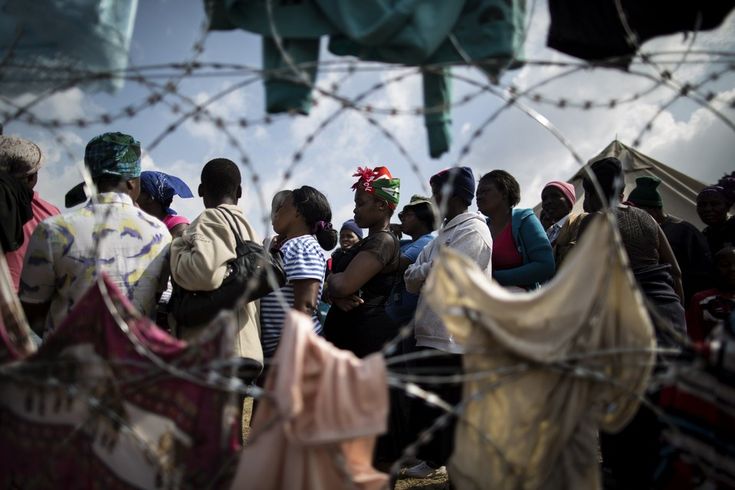
For 2 weeks, a group of young migrants, refugees and asylum seekers gathered at the holy cross hall in District Six, Cape town. Not just to learn digital skills but to find their voice in a world that is increasingly being digitalised. In an era of rapid digital transformation, access to digital tools is no longer a luxury, it is a way of living. For migrants, refugees and asylum seekers digital literacy opens door...
Feminisation of Migration: Reflections from the SIHMA Guest Lecture at UWC
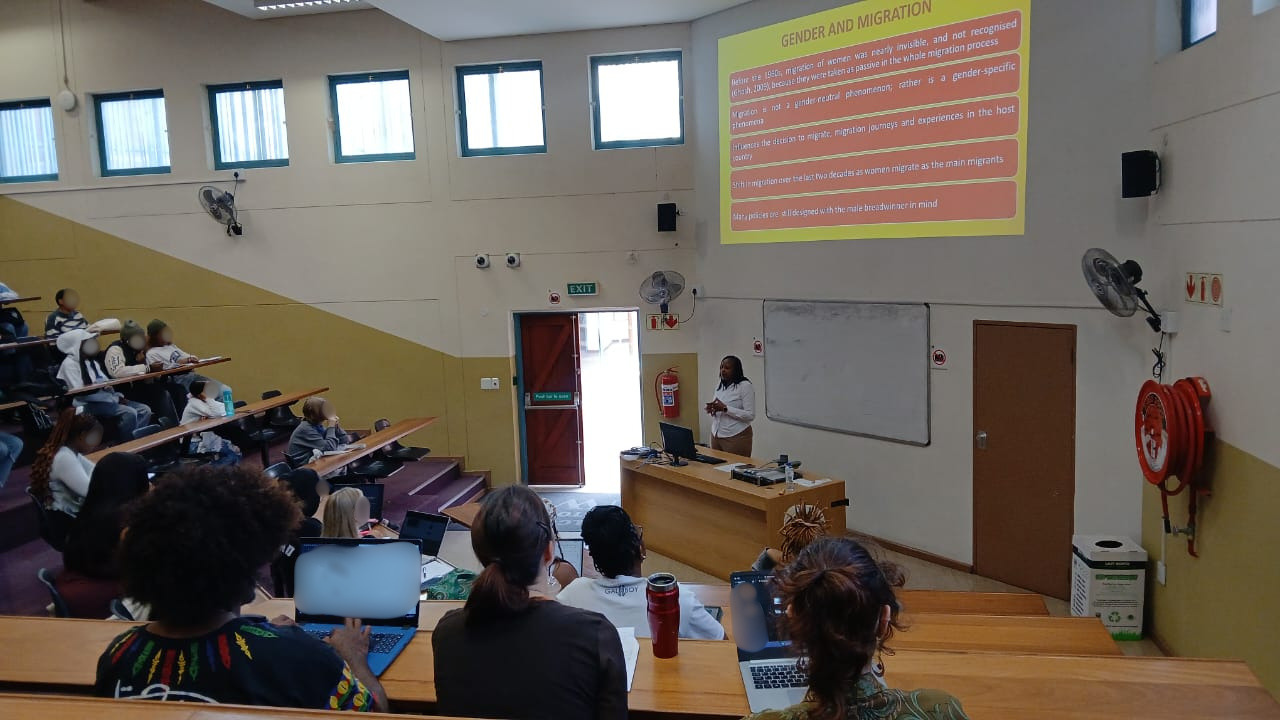
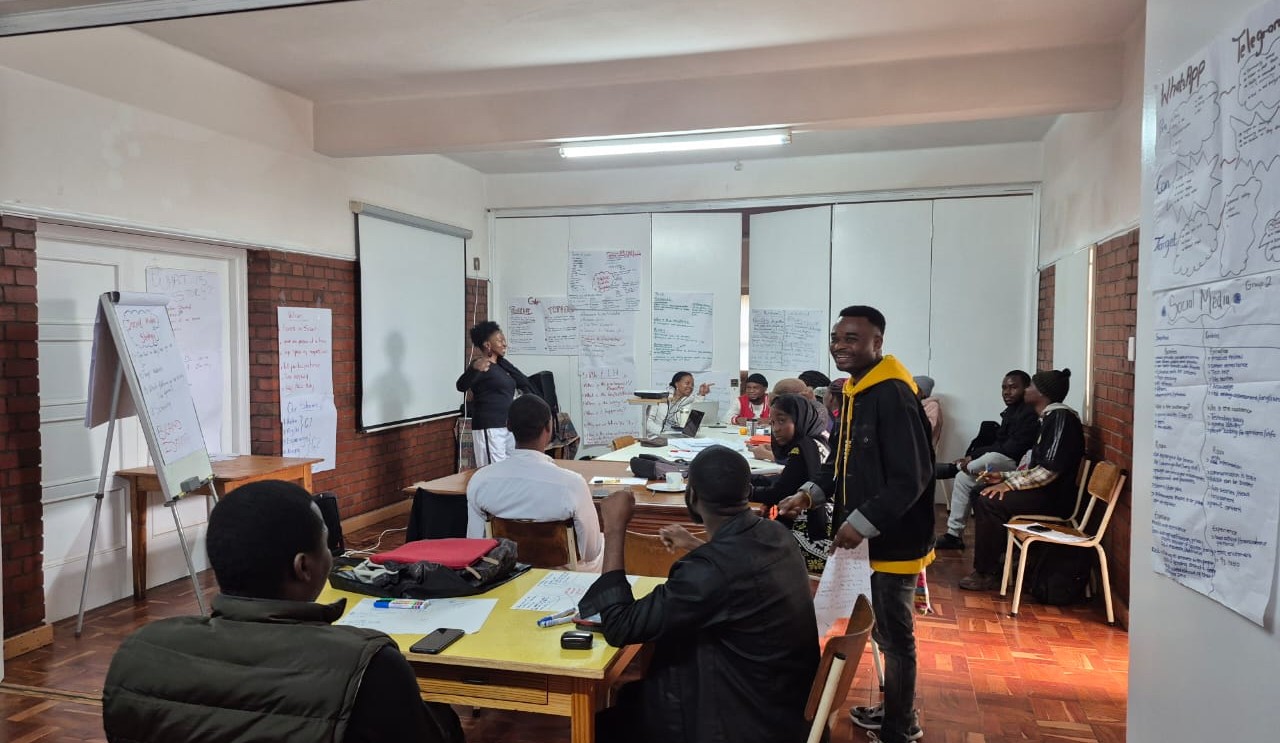
Migration has long been framed as a predominantly male phenomenon, shaped by narratives of labor mobility and economic survival. However, the trends and patterns of migration has shifted over the centuries with more women migrating as the economic providers of their families. Building on the relationship that the Scalabrini Institute for Human Mobility in Africa (SIHMA) has with the University of the Western Cape, and bringing non-academic setting experience, SIHMA delivered a lecture...