
“My future is not here”: Migration, Borders and the political Hope in Gambia
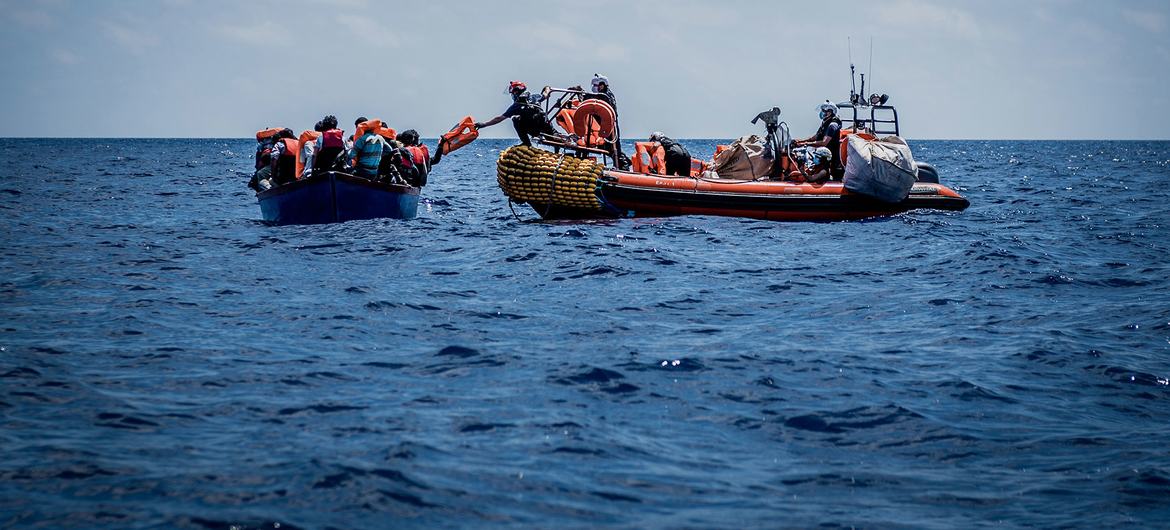
Thousands of young Gambians have attempted an irregular journey to Europe, and many of them know that the journey could end in death, detention, and torture. The journal written by Saidyejeng and Drammeh opens up with a question: Why do young Gambians risk death and detention to reach Europe, especially because a lot of people are aware of the dangers of a “Backway”? The question matters far beyond Gambia; the question sits beneath nearly every conversation about migrants,...
Trapped Between Borders: The Hidden Crisis Facing Migrants and Refugees in Libya
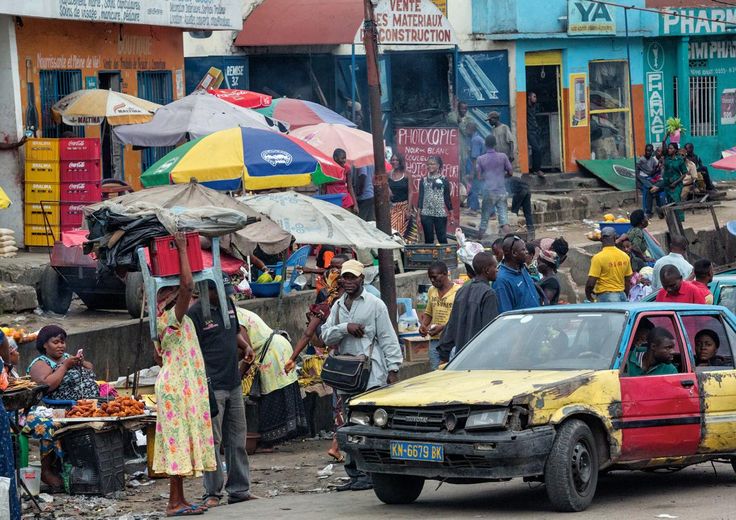
Since 2011, Libya has gone from being one of the best destinations for labour migration to now being one of the most dangerous places in the world for the same people who worked to build its economy. Before the revolution, Libya hosted about 1.35 to 2.5 million migrant workers (Borgnäs Emma; Cottone L.;...
A Nation in Motion: Nigeria's Triple Role as Migrant Source, Refuge and Crossroads
Nigeria holds an intriguing position on the African continent: it is a country that people flee to, from, and through at the same time. With a population of well over 220 million, Africa's most populous country both produces one of the continent's largest displaced populations and sends a significant number of skilled migrants abroad, while also hosting refugees escaping wars in neighbouring nations. Keeping all of these movements, both forced and voluntary, internal and international in one perspective...
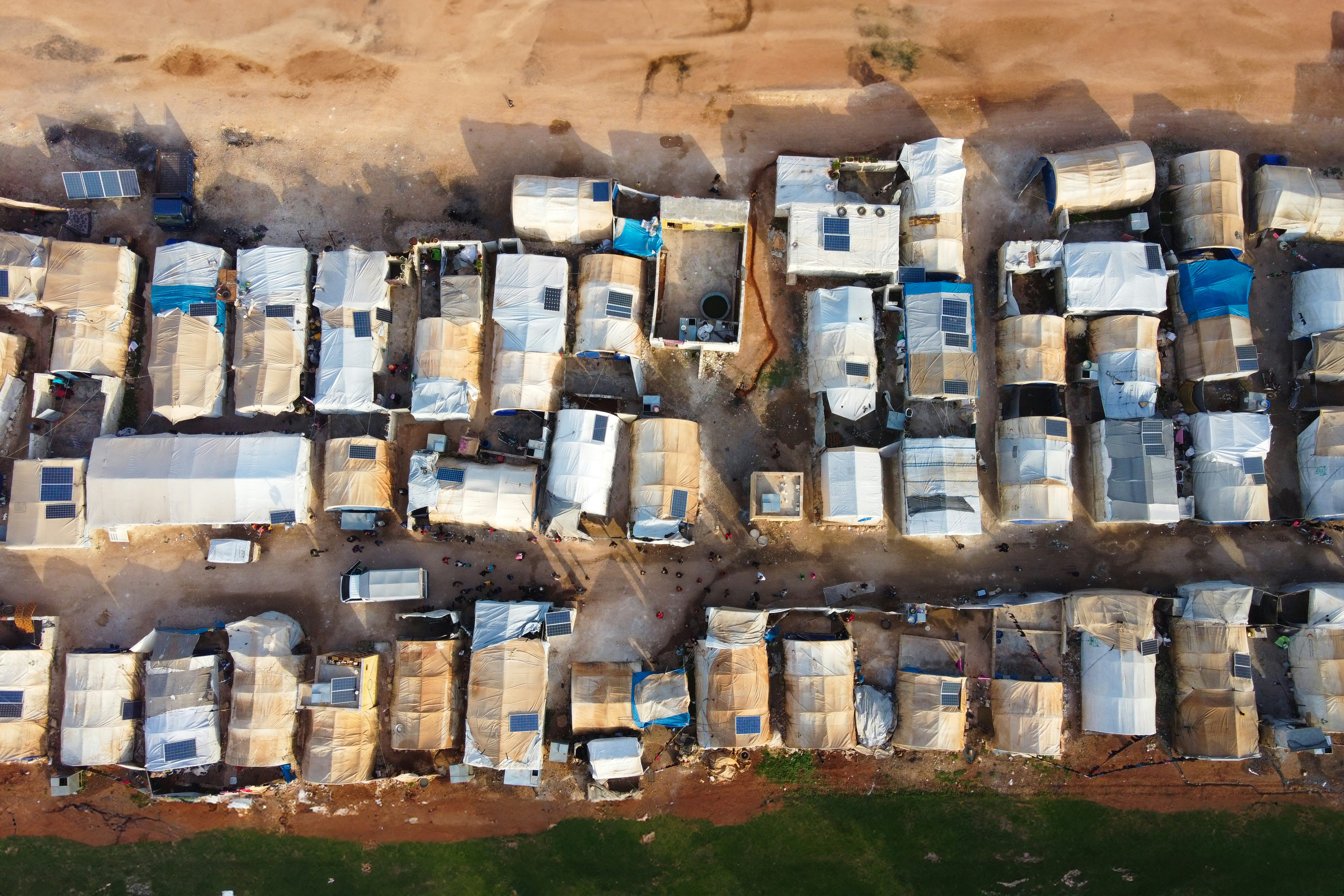
Research Launch: Refugees Integration in Uganda: Perspectives of Refugees, Stakeholders and the Host Community
On 12 May 2026, SIHMA launched the research “Refugees Integration in Uganda: Perspectives of Refugees, Stakeholders and the Host Community,” a journey that started in 2023 following the opening of a new mission by the Missionaries of St Charles Scalabrini in Uganda. The research aimed at informing the work of the Missionaries of St Charles and other projects that are aimed at enhancing refugee integration in Uganda. Given that Uganda hosts millions of refugees and asylum seekers...
Atlas of African Migration: Migration in Chad
Chad stands at the intersection of countries in Africa that experience forced displacement constantly. Positioned at the intersection of the Sahel, the Lake Chad Basin and Central Africa, Chad shares borders with six countries, several of which have experienced, and continue to experience, armed conflicts. . Its strategic geographical location has made Chad a country of Asylum, internal displacement, return migration, and a corridor for circular migration and cross border migration. The UNHCR describes Chad as Africa’s largest...
Stuck With “Temporary” Permit for Fifteen Years
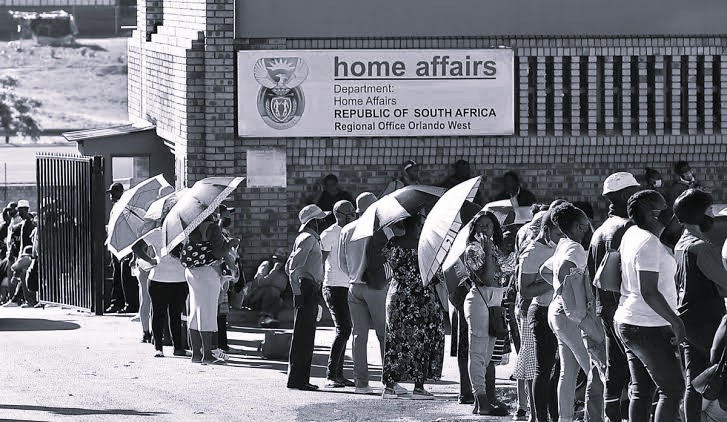
There is a substantial community of Zimbabwean Exemption Permit (ZEP) holders in South Africa that has been living in a waiting room since 2009. Many of the ZEP holders are active participants of every community they live in, where some members teach in public schools, nurse in public hospitals, run spaza shops, pay PAYE and VAT, raise children who speak isiZulu or Sesotho before Shona or Ndebele, and still, after many years, they cannot apply for permanent residence...