
Research Launch: Refugees Integration in Uganda: Perspectives of Refugees, Stakeholders and the Host Community
On 12 May 2026, SIHMA launched the research “Refugees Integration in Uganda: Perspectives of Refugees, Stakeholders and the Host Community,” a journey that started in 2023 following the opening of a new mission by the Missionaries of St Charles Scalabrini in Uganda. The research aimed at informing the work of the Missionaries of St Charles and other projects that are aimed at enhancing refugee integration in Uganda. Given that Uganda hosts millions of refugees and asylum seekers...
Atlas of African Migration: Migration in Chad
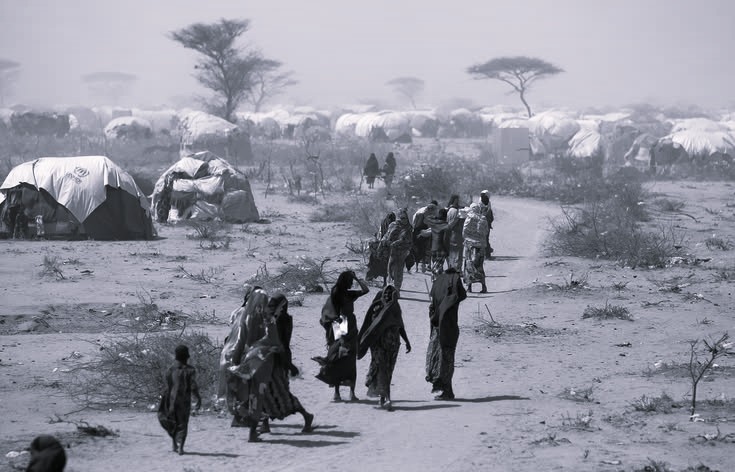
Chad stands at the intersection of countries in Africa that experience forced displacement constantly. Positioned at the intersection of the Sahel, the Lake Chad Basin and Central Africa, Chad shares borders with six countries, several of which have experienced, and continue to experience, armed conflicts. . Its strategic geographical location has made Chad a country of Asylum, internal displacement, return migration, and a corridor for circular migration and cross border migration. The UNHCR describes Chad as Africa’s largest...
Stuck With “Temporary” Permit for Fifteen Years
There is a substantial community of Zimbabwean Exemption Permit (ZEP) holders in South Africa that has been living in a waiting room since 2009. Many of the ZEP holders are active participants of every community they live in, where some members teach in public schools, nurse in public hospitals, run spaza shops, pay PAYE and VAT, raise children who speak isiZulu or Sesotho before Shona or Ndebele, and still, after many years, they cannot apply for permanent residence...
Building Bridges Through Knowledge: Inside SIHMA's Training on Understanding Human Mobility
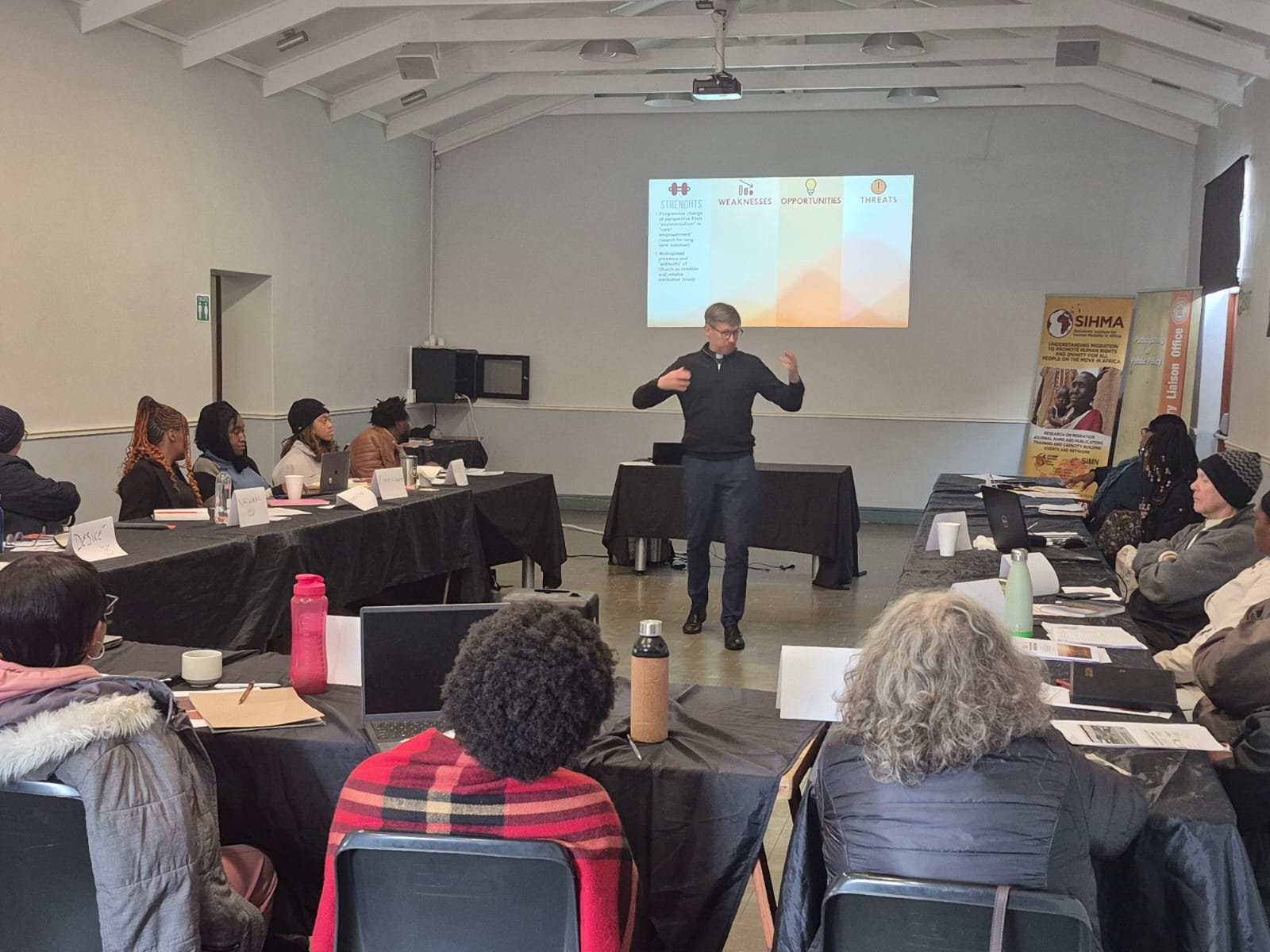
Migration is a far difficult topic and discussion than what the headlines makes it look like. Behind every statistics on border crossings or refugee numbers, lies a web of history, policy, economics, faith and human choices and this is the exact complexicity that SIHMA set out to unpack during a 2 day training on “Understanding Human Mobility in Africa” hosted at St John’s Catholic Church in Maitland on the 21-22 July. The timming for...
Why Tougher Laws Aren't Stopping Irregular Migration from Ethiopia
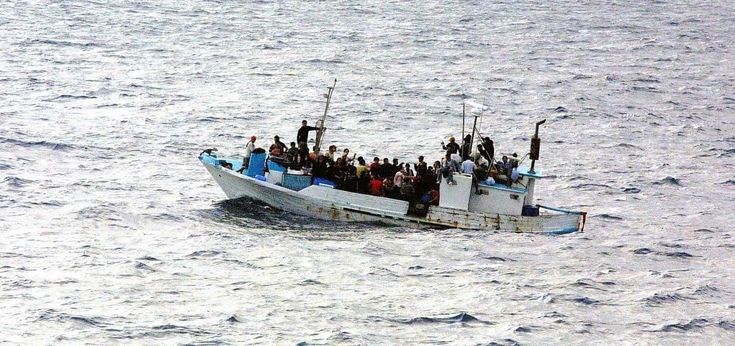
Every year, thousands of young Ethiopians go on a dangerous journey towards the Gulf states and Europe, often without proper documentation and through the hands of smugglers, and they are also often fully aware of the risks and dangers of the journey. The Ethiopian government has spent the past few years improving and implimenting their legal framework, So why does irregular migration keep increasing? A recent study by Getye Abneh and Fekadu...
South Africa’s asylum policy and the people caught in between
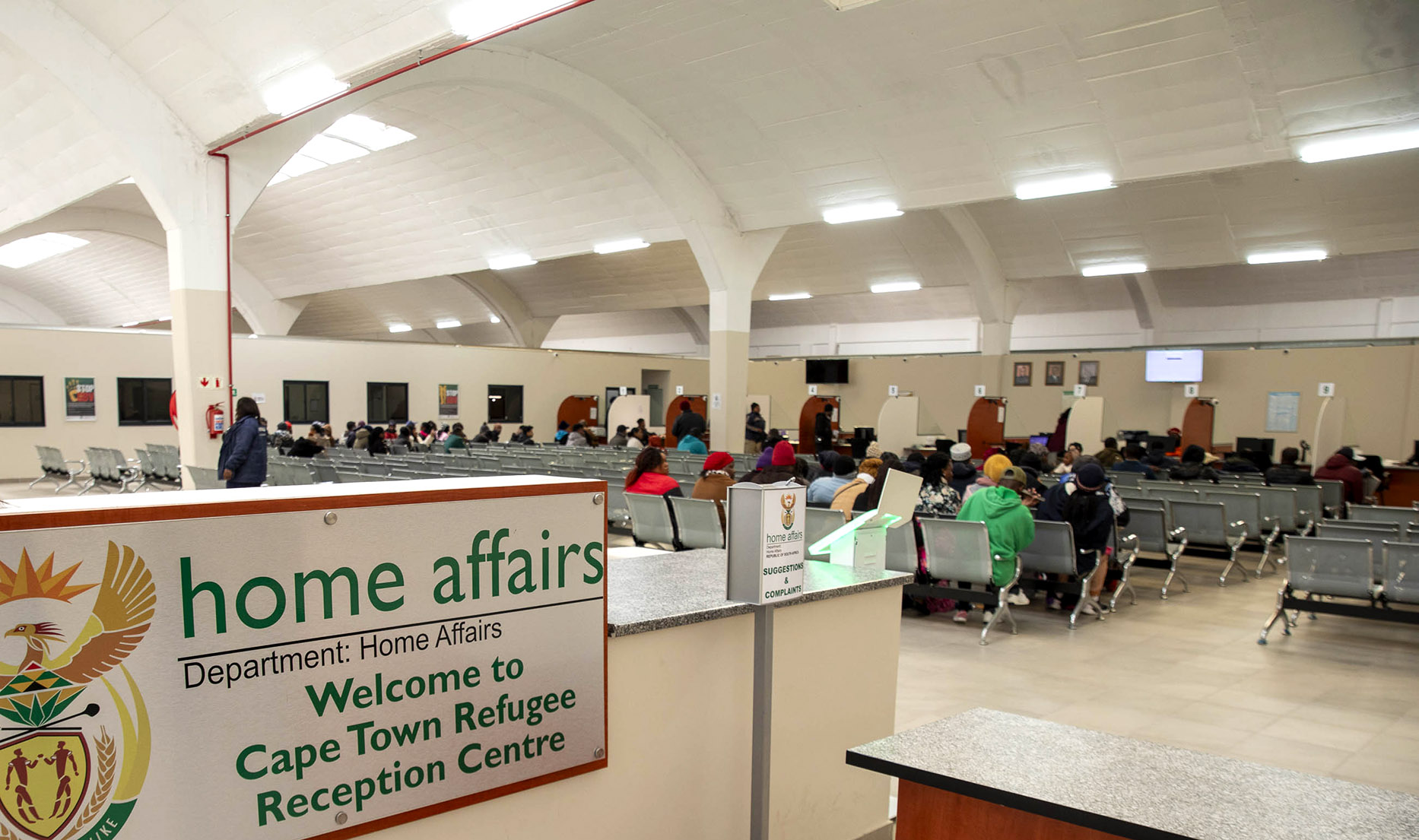
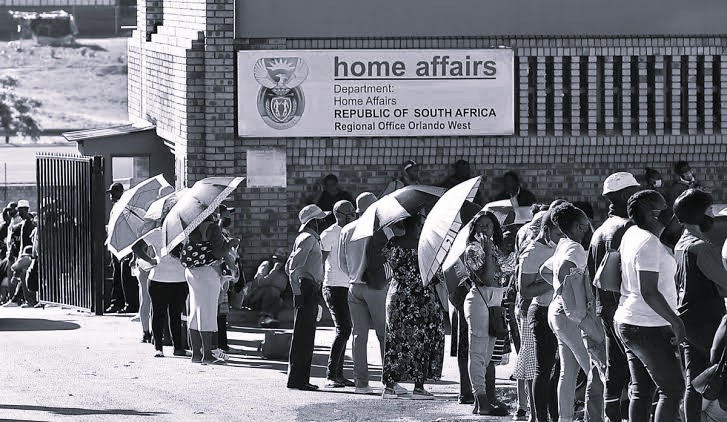
In April 2024, South Africa’s department of Home Affairs published a white paper on Citizenship, Immigration and Refugee Protection (DHA, 2024). A revised draft followed in 2025, open for public comment until mid-February 2026. The document is a proposal to move away from a residency-based immigration system and more towards a point driven. The proposal affects the lives of many people which also includes asylum seekers and refugees living in the country, and it forces the reckoning with...