
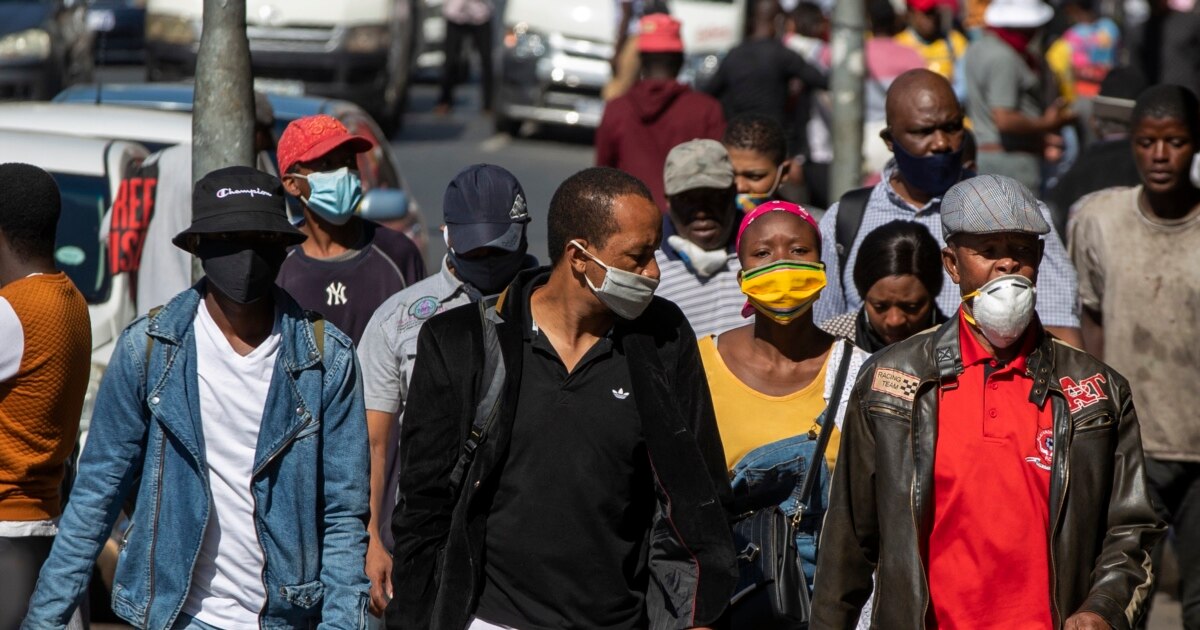
Necro-politics in Practice: How COVID-19 turned migrants into the “Living Dead” in South Africa (Authors: Paddington Mutekwe and Kenny Chiwarawara)
On 23 March 2020, President Cyril Ramaphosa announced a nationwide lockdown as a response to the covid-19 cases recorded in 2020 and within 18 days, infections rose to 402. The lockdown was presented as a decisive move to protect the lives of citizens. But for many migrants in South Africa the pandemic response revealed a system that quietly decides who’s lives mattered. Drawing from the study done by Mutekwe and Chiwarawara in the African Human Mobility Review
Layers of (Un)Belonging: Zine-Art Research with Migrant Youth Leaving Alternative Care in Cape Town
"I do not feel I belong anywhere. I do not belong here, I am not from here. I am nowhere. I am not from this country. I am not from this planet. I just feel like I do not belong anywhere." These words, written by Rebecca on the last page of her ‘zine’, capture the profound alienation felt by many young migrants navigating life after leaving alternative care. Rebecca, 17, born in the Democratic Republic of Congo (DRC), came to...

Migrants, Refugees and Displaced Persons
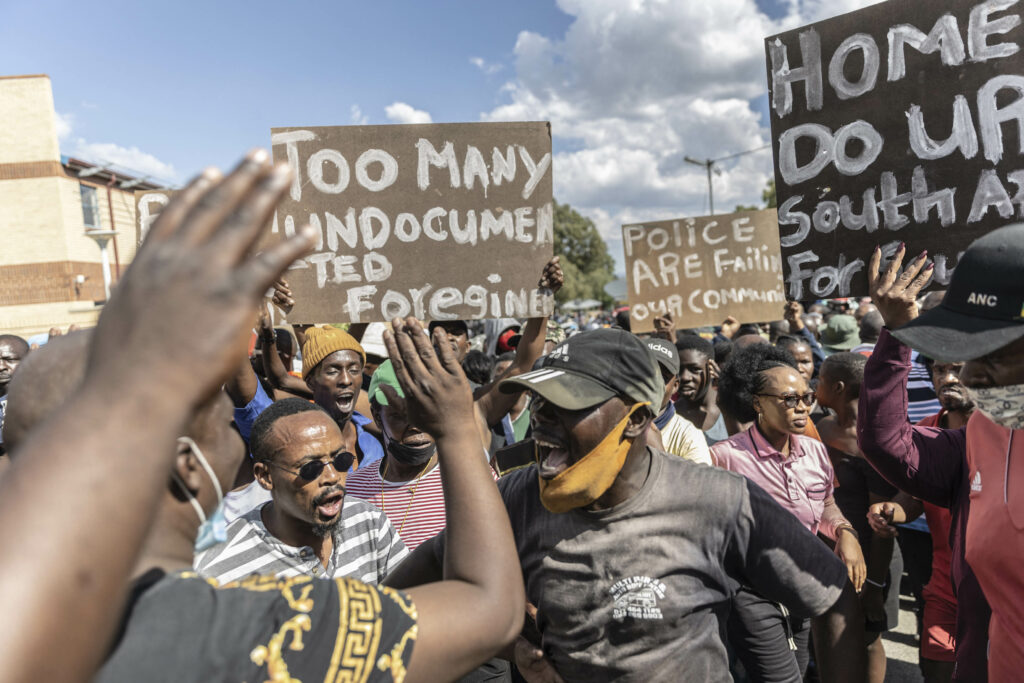
Recent weeks have seen a troubling surge in xenophobic activity in South Africa, particularly targeting foreign nationals’ access to public healthcare a phenomenon now termed “medical xenophobia.” Despite constitutional guarantees and legal precedents affirming healthcare rights for all, activists have illegally blocked clinics, harassed staff, and removed patients, claiming foreigners are overburdening the system. These actions, fuelled by political rhetoric and misinformation, have spread from Gauteng to other provinces and are increasingly normalized in public discourse....
African Migration Trends, Q2 2025: Regional Dynamics and Global Implications
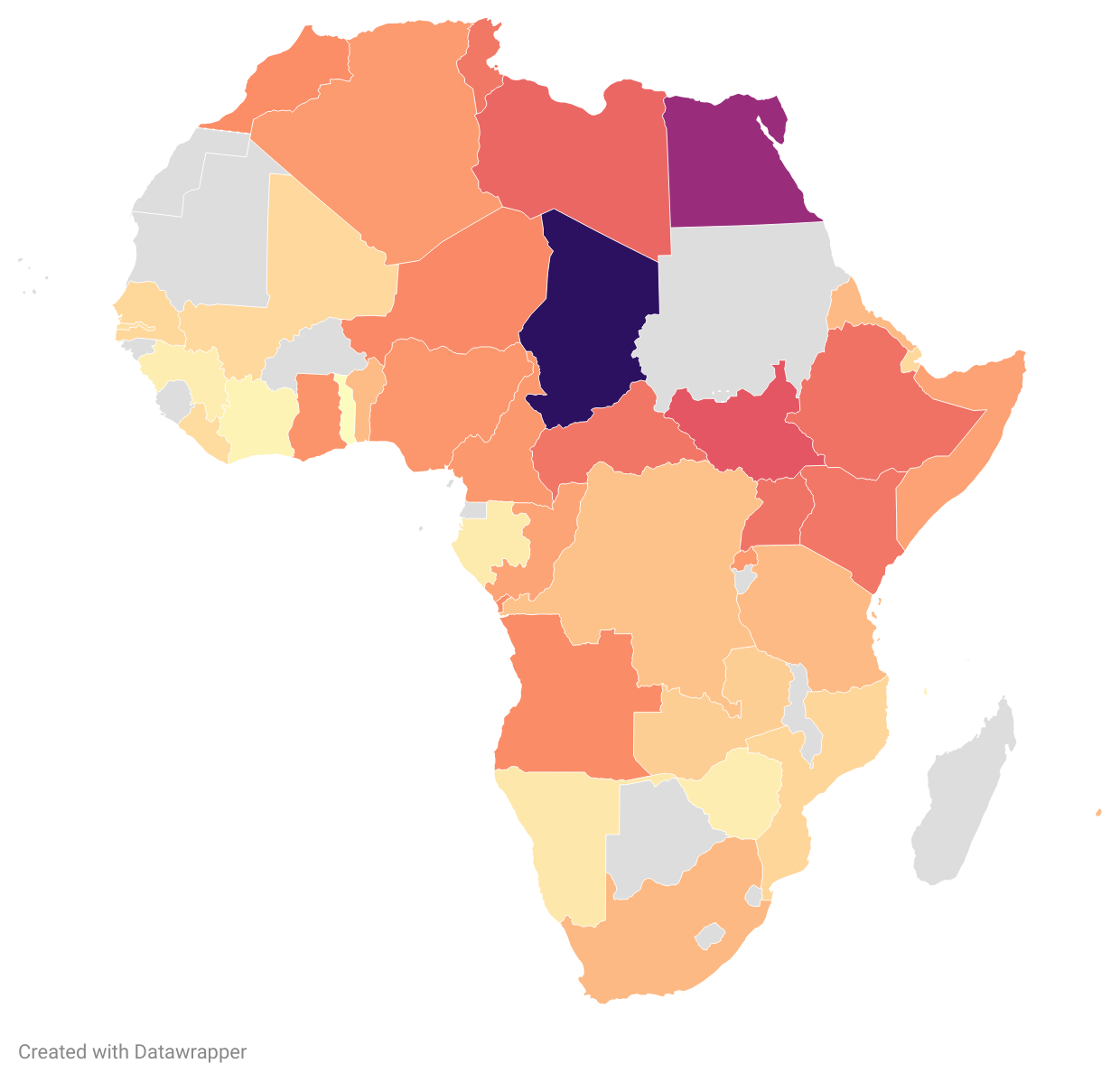
Migration across Africa in 2025 reflects one of the most dynamic and consequential population movements worldwide. While public discourse often canters on irregular journeys to Europe, the empirical evidence demonstrates a more complex reality, the vast majority of African migration remains intra-continental, shaped by overlapping drivers such as conflict, climate change, economic disparities, and evolving policy frameworks. Recent regional updates from North, West, and East Africa to Southern Africa, Egypt, and Yemen reveal how mobility patterns are being...
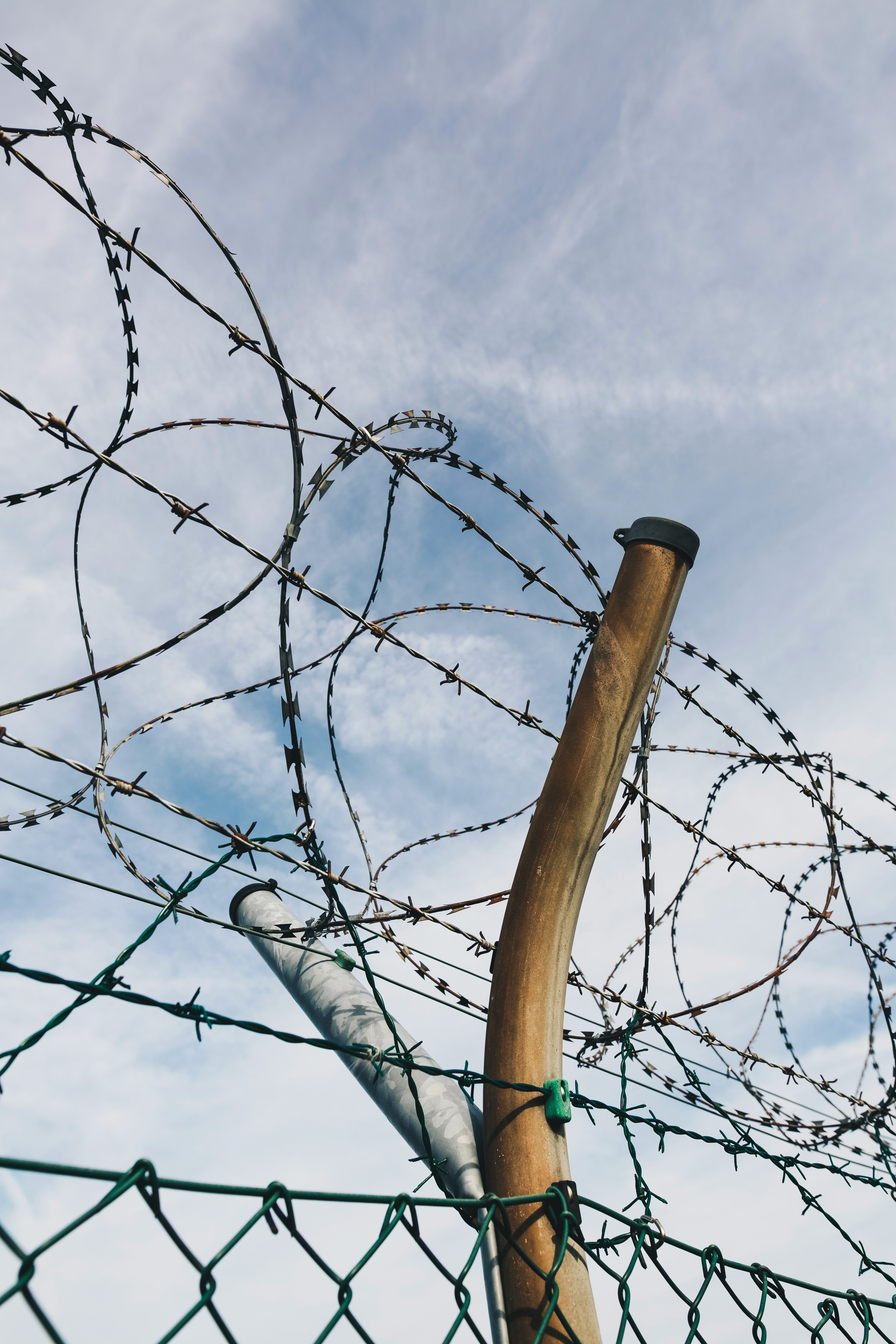
South Africa Ramps Up Border Security: New Measures to Reduce Irregular Immigration
The South African government has decided to improve border security by enhancing and integrating technological systems and adding more law enforcement officers to combat irregular migration and human trafficking and the government has introduced stricter enforcement policies, improved surveillance, and improved intelligence-sharing mechanisms. It is noted that about 672 Border Law Enforcement Officers have been added to high-risk entry points such as land crossings, maritime borders, and international airports